PECS
PECS (Picture Exchange Communication System)
PECS (Picture Exchange Communication System) is an evidence-based augmentative and alternative communication (AAC) approach designed to support individuals who experience difficulties using spoken language to communicate effectively. It was originally developed for autistic children but is now widely used with individuals of all ages who have communication challenges, developmental differences, speech and language delays, motor speech difficulties, or complex communication needs.
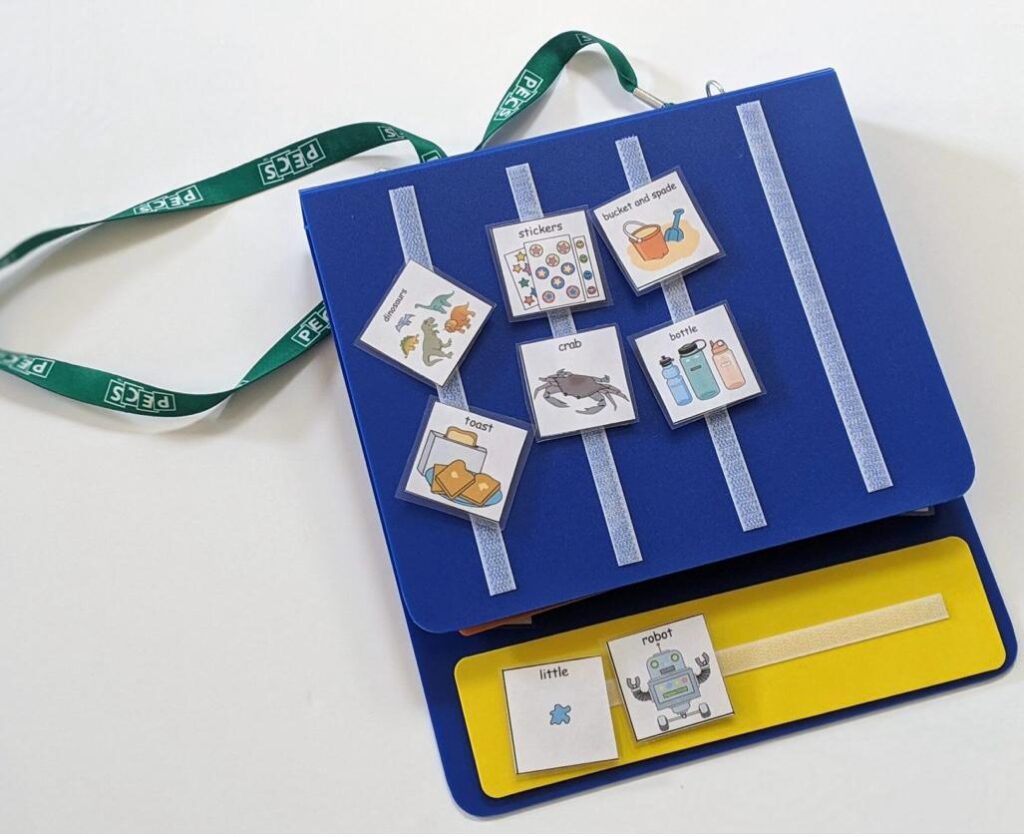
PECS teaches functional communication by encouraging the individual to independently initiate communication through the exchange of pictures or symbols. Rather than relying solely on prompts or responding to questions, the approach focuses heavily on spontaneous communication, helping individuals learn that communication is meaningful, powerful, and socially rewarding.
The system is introduced in carefully structured phases that gradually build communication skills, beginning with simple picture exchanges to request preferred items and progressing toward sentence building, commenting, answering questions, expanding vocabulary, and developing more socially interactive communication.
PECS supports the development of:
* Functional communication
* Independent initiation
* Joint attention
* Social interaction
* Vocabulary development
* Sentence structure
* Communication confidence
* Reduced frustration and challenging behaviour
* Increased participation in daily routines and learning environments
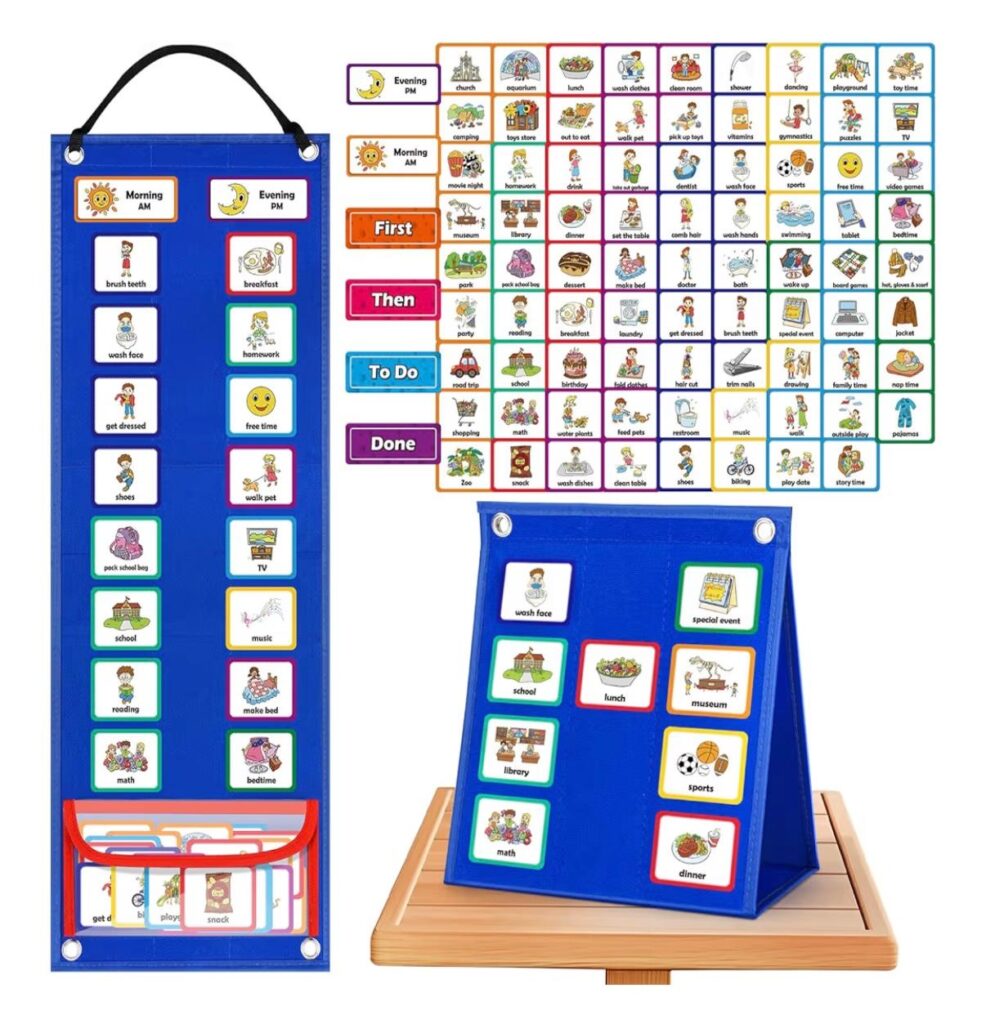
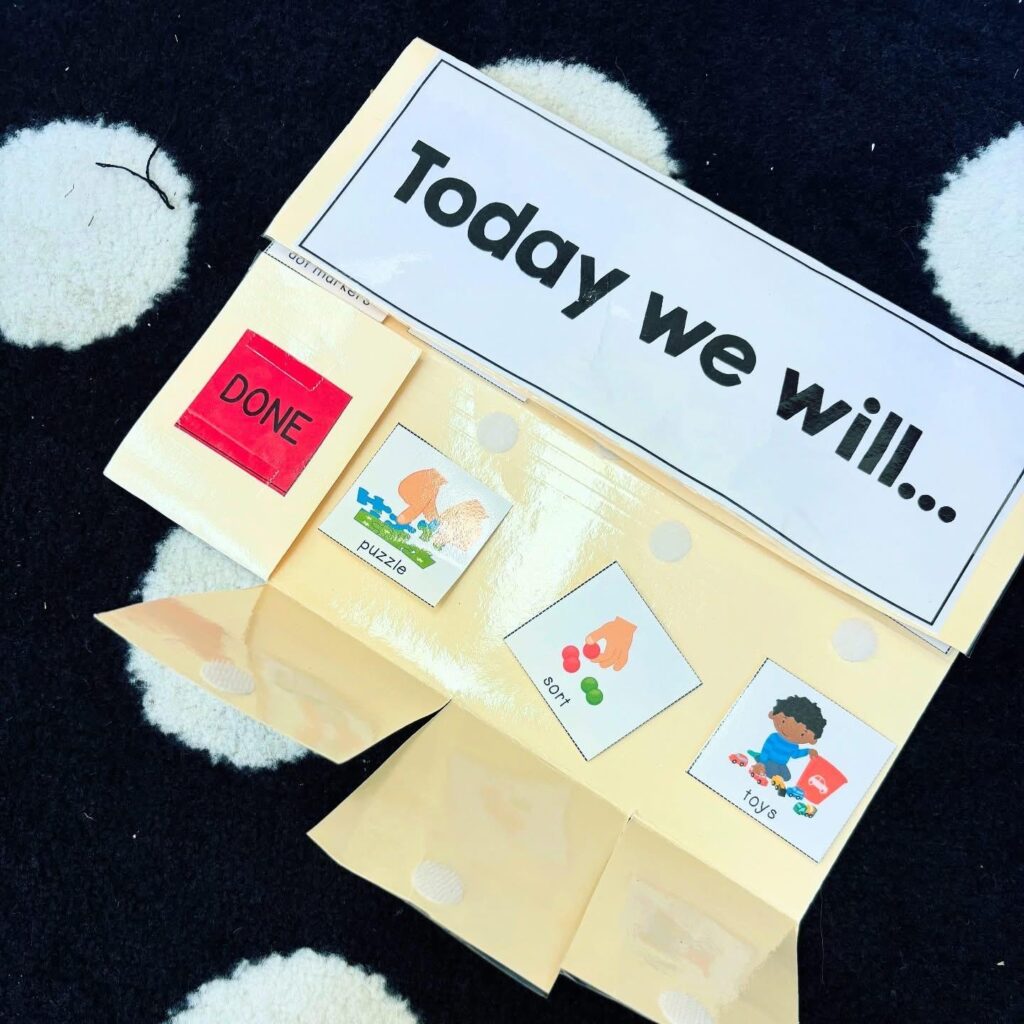
Therapy is highly individualised and incorporates motivating activities, play-based interaction, visual supports, and natural communication opportunities. Intervention may include communication books, sentence strips, visual symbols, core vocabulary systems, and collaboration with families, schools, and multidisciplinary teams to ensure consistency across environments.
PECS can be used alongside speech development and does not prevent spoken language from emerging. In many cases, individuals begin to develop increased vocalisation, speech attempts, and social engagement as their communication confidence and interaction skills improve.
Support may also include parent coaching, staff training, classroom implementation strategies, and integration with broader AAC and language development approaches to promote meaningful, functional communication across home, school, and community settings.