PROMPT
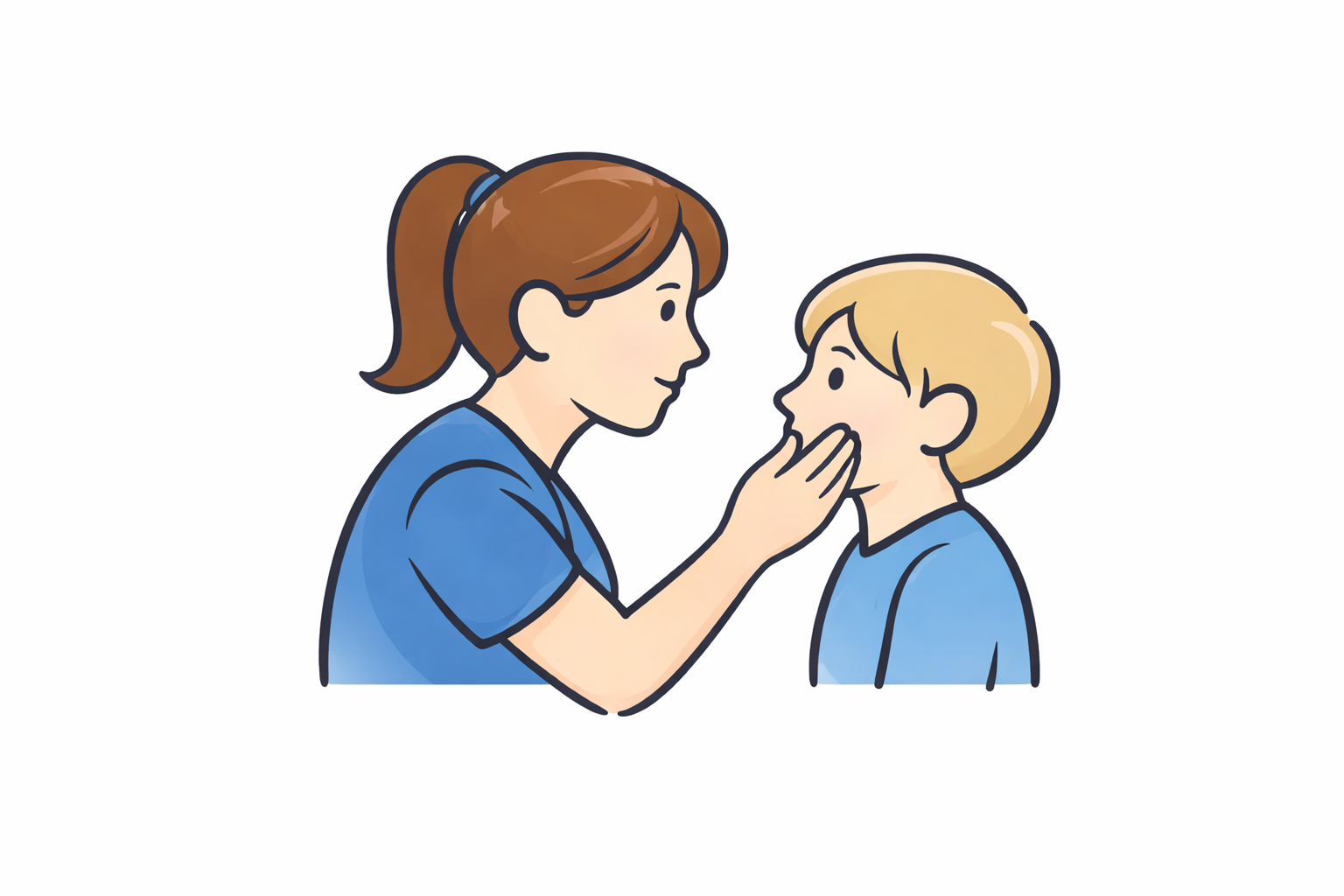
The PROMPT (Prompts for Restructuring Oral Muscular Phonetic Targets) approach is a highly regarded and evidence-based technique in the field of speech therapy.
Applied Behaviour Analysis
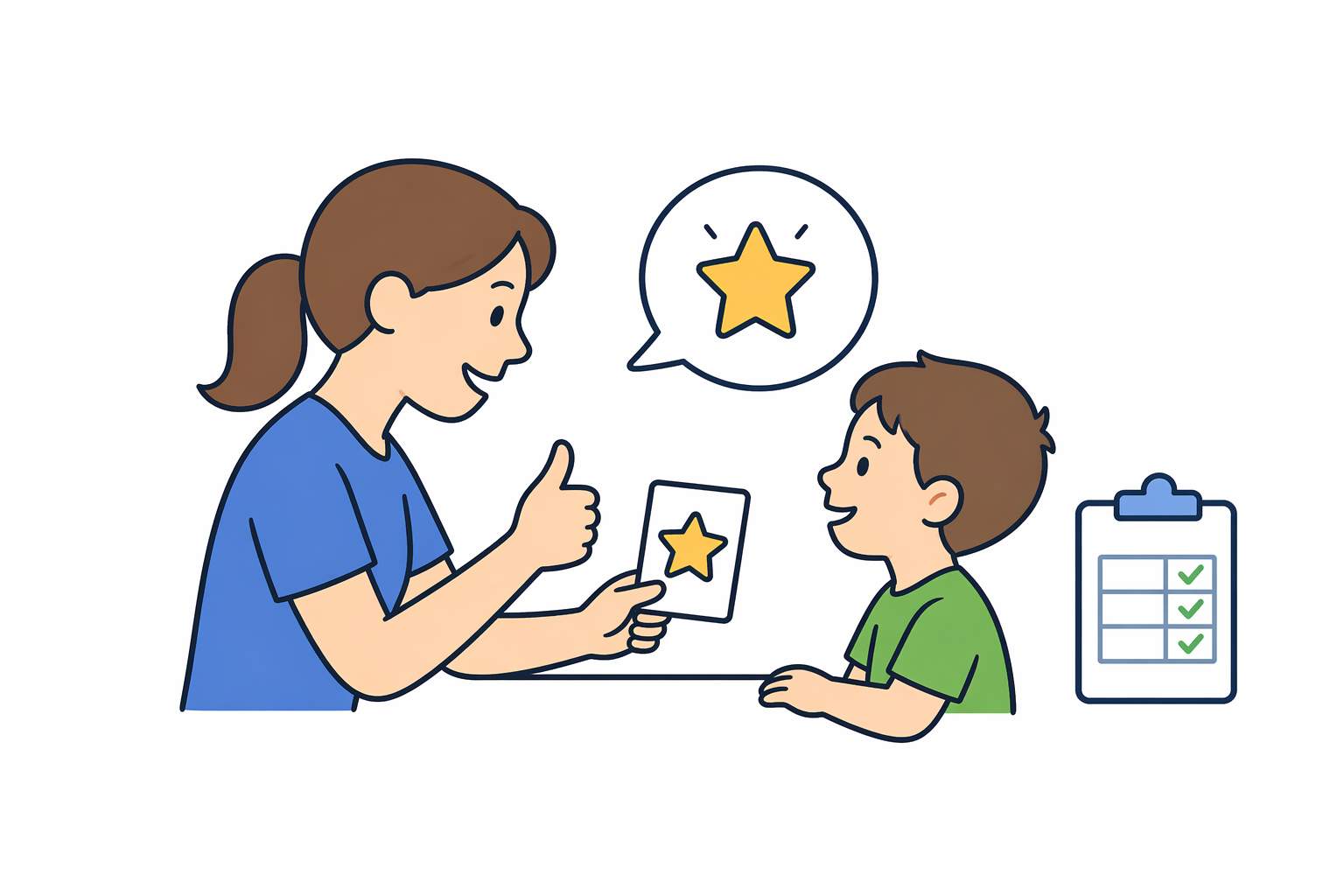
Applied Behaviour Analysis (ABA) is an evidence-based approach that helps children develop important life skills and reduce behaviours that may impact learning, communication, or daily life.
Social Thinking
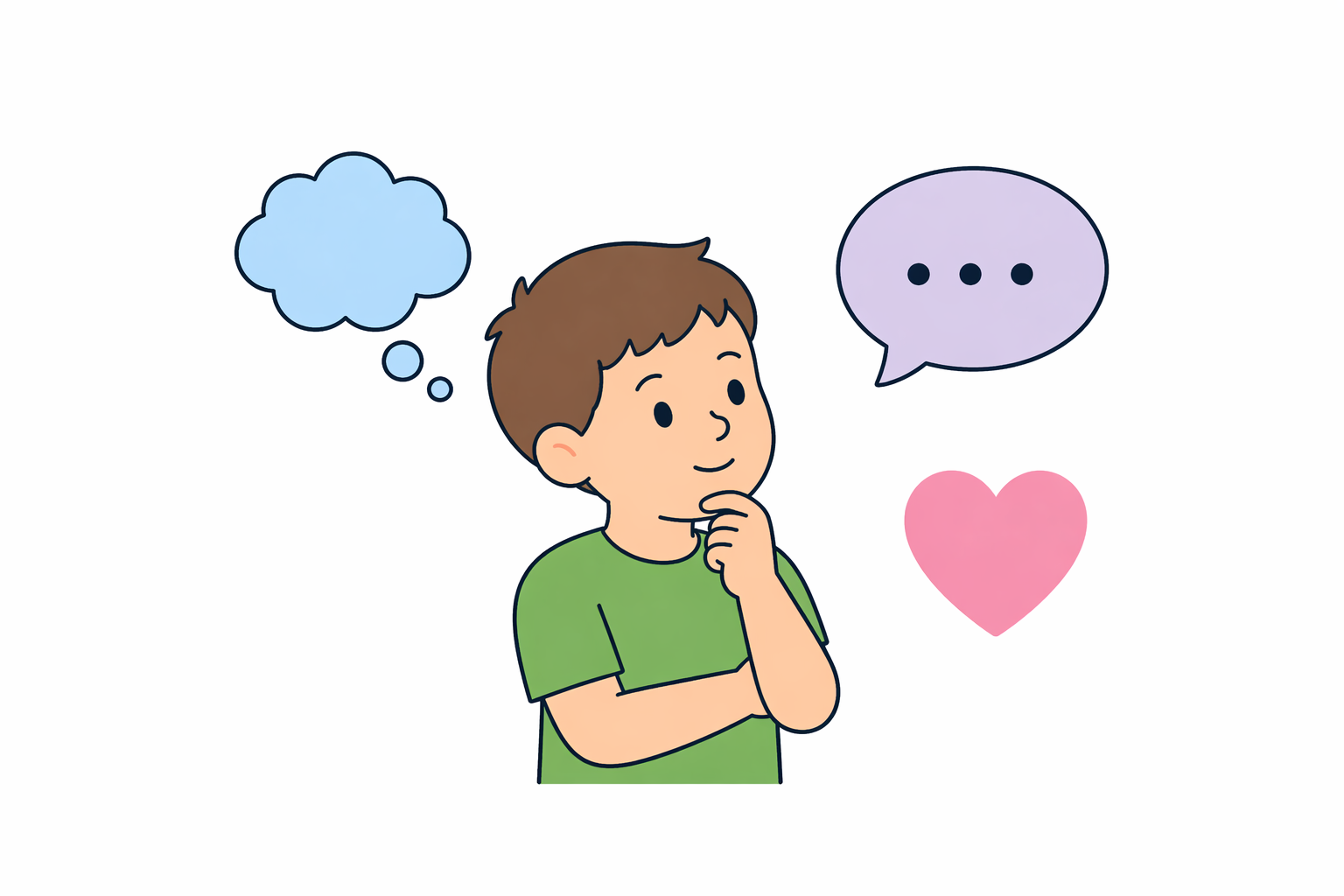
Social Thinking helps children understand how thoughts, feelings, and behaviour affect social interactions. It supports the development of friendship skills, conversation, emotional awareness, and successful participation in groups.
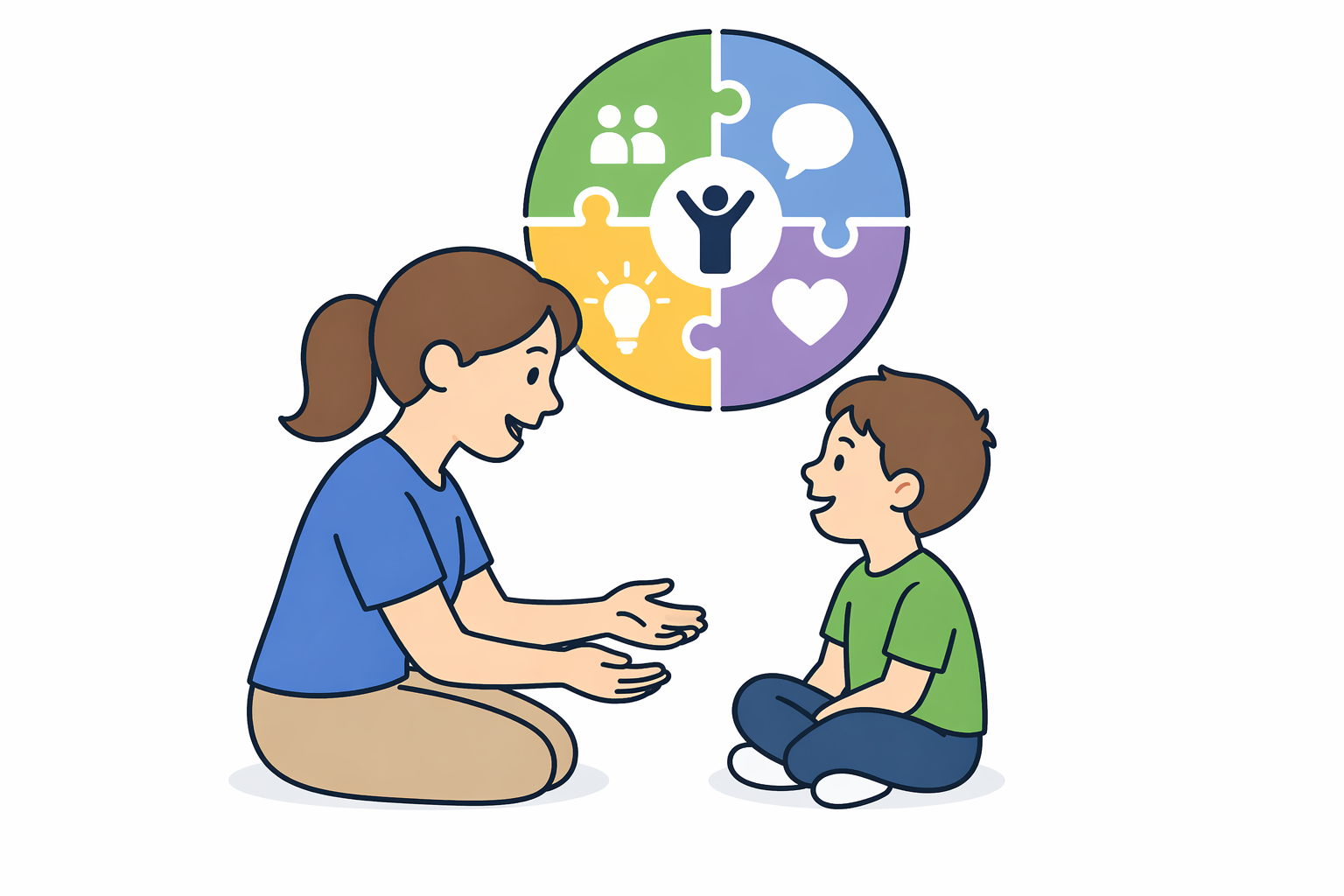
SCERTS
SCERTS is a developmental framework designed to support children with social communication, emotional regulation, and learning through meaningful relationships and everyday interactions. It is commonly used with autistic children and those with communication or social difficulties.
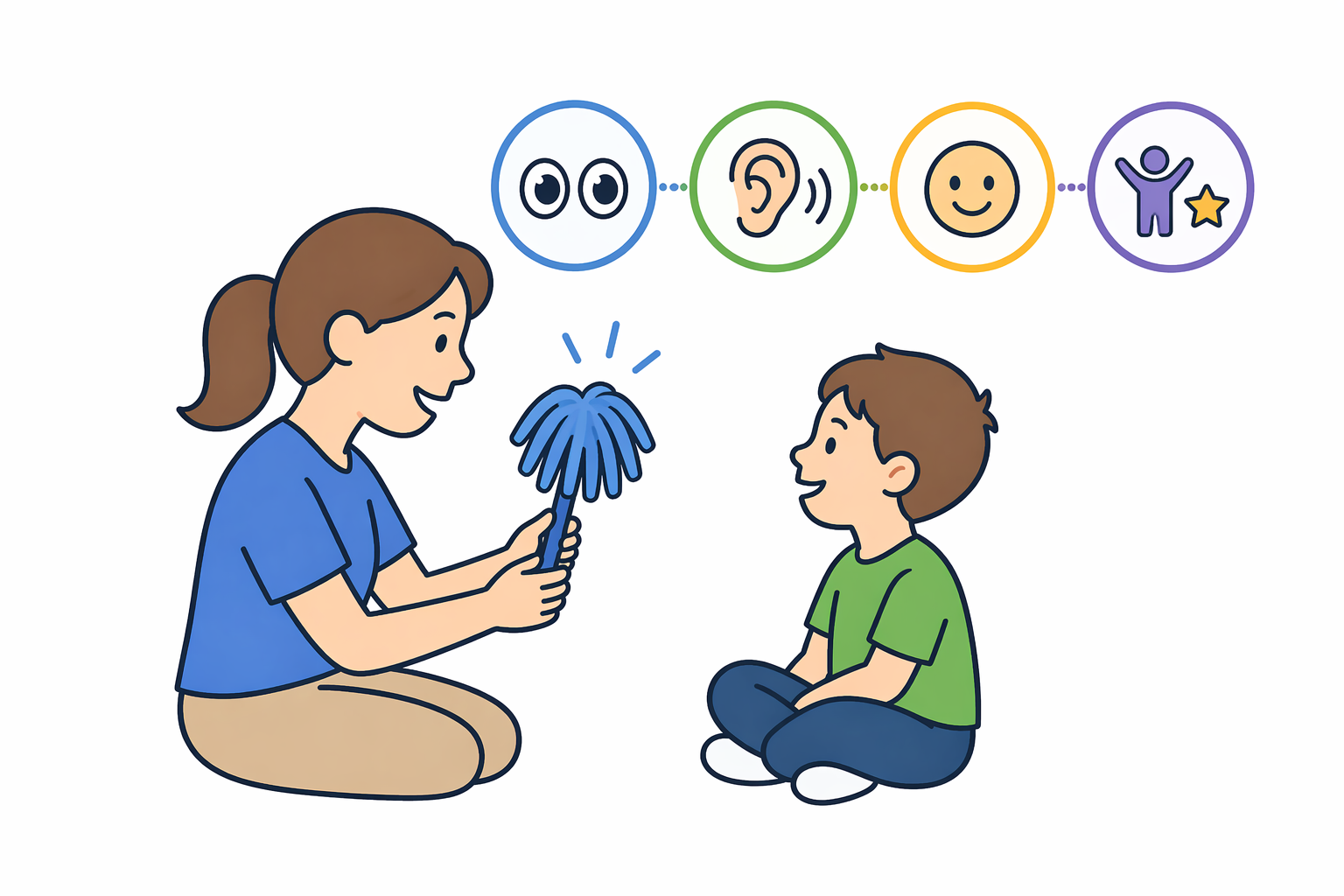
Attention Autism
Attention Autism is an engaging, structured approach designed to develop attention, communication, and shared enjoyment. Using highly motivating and visually exciting activities, it helps children build the skills needed for learning, interaction, and participation.
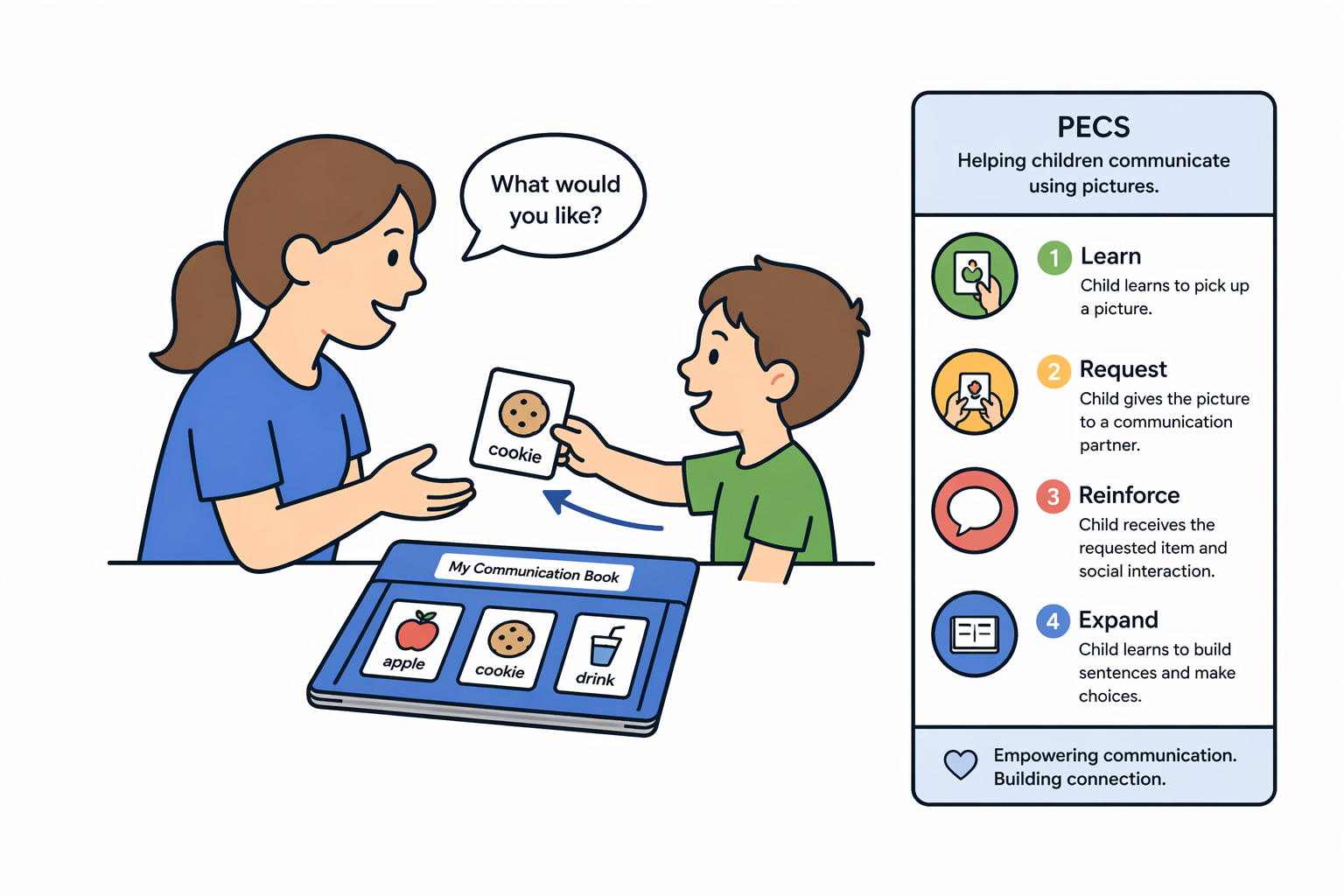
PECS
PECS (Picture Exchange Communication System) is a structured communication approach that helps children learn to express their wants, needs, thoughts, and choices using pictures. It is often used for children who are non-speaking, minimally speaking, or who need additional support with communication.
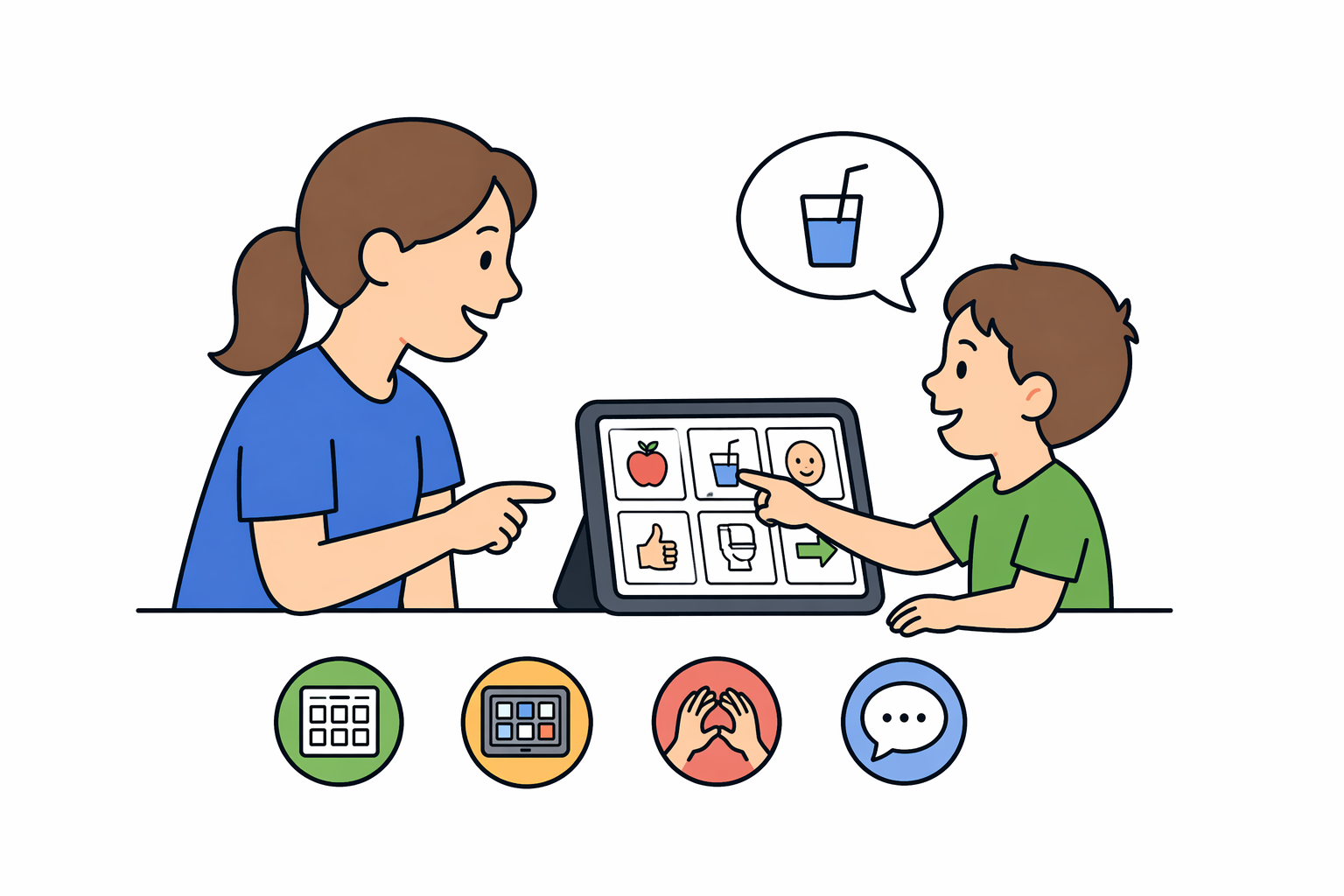
AAC
AAC (Augmentative and Alternative Communication) includes tools and strategies that support children who have difficulties using speech to communicate. This may include communication boards, picture systems, speech-generating devices, apps, signs, or other visual supports.
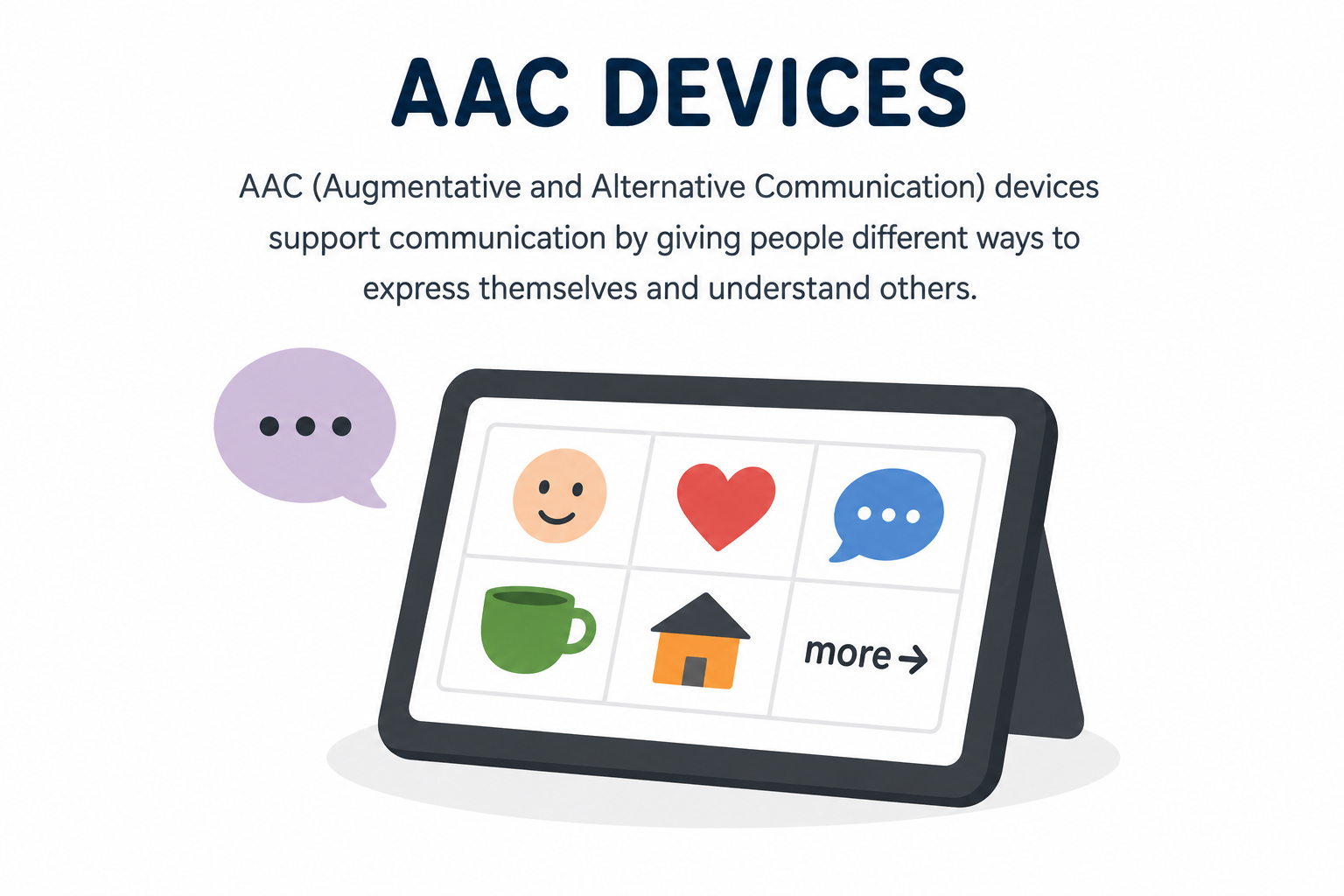
AAC Devices
AAC devices are communication tools that help children who have difficulty using speech to express themselves. These devices can range from simple buttons and communication boards to advanced speech-generating tablets and specialised apps.
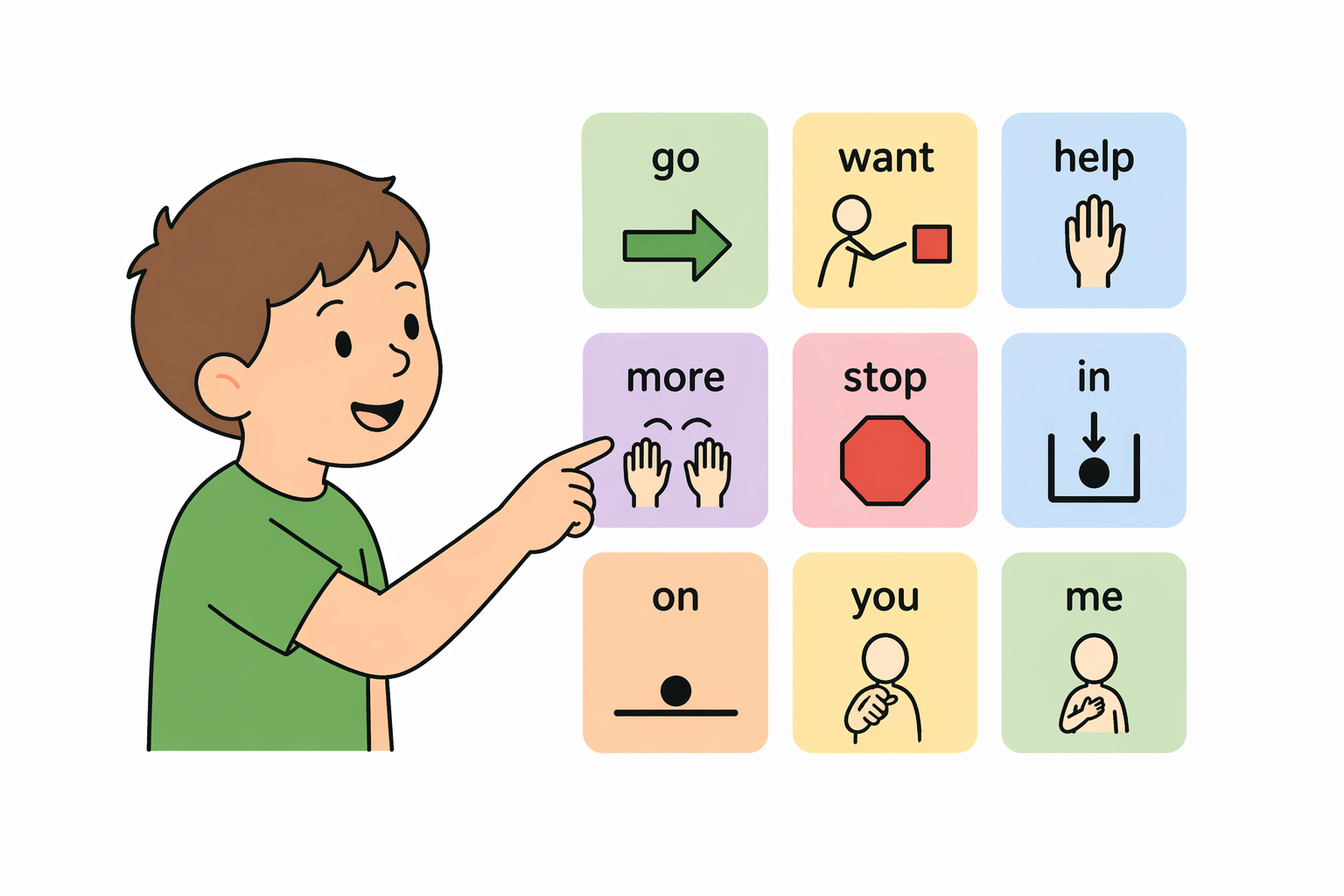
Core Vocabulary
Core Vocabulary refers to a small group of high-frequency words that are used regularly in everyday communication, such as go, want, help, more, stop, in, on, you, me. These words can be combined in many ways to express a wide range of messages.
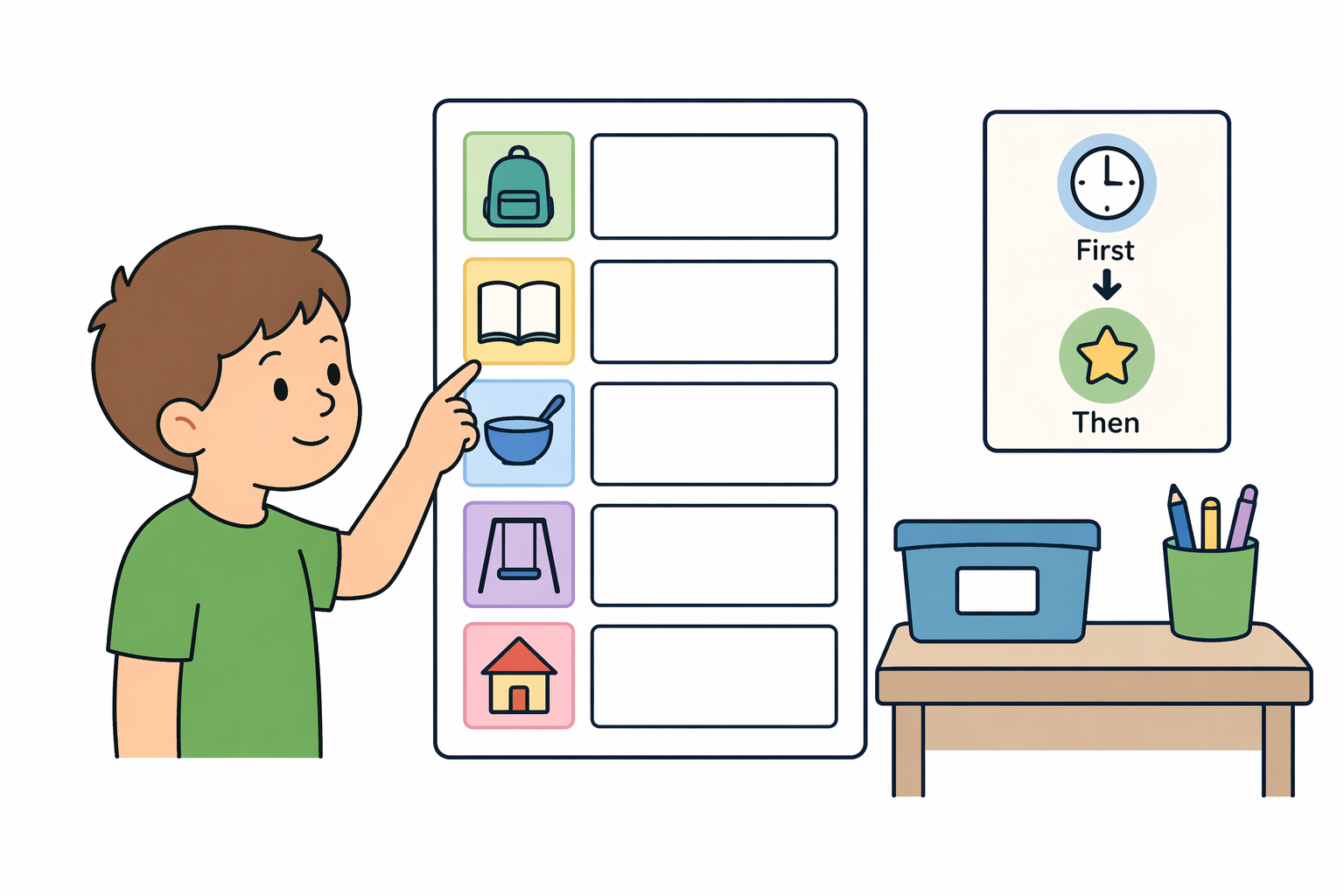
TEACCH
TEACCH is a structured teaching approach designed to support autistic children and individuals with learning differences. It uses visual organisation, clear routines, and adapted environments to help children understand expectations, develop independence, and feel more confident in daily activities.
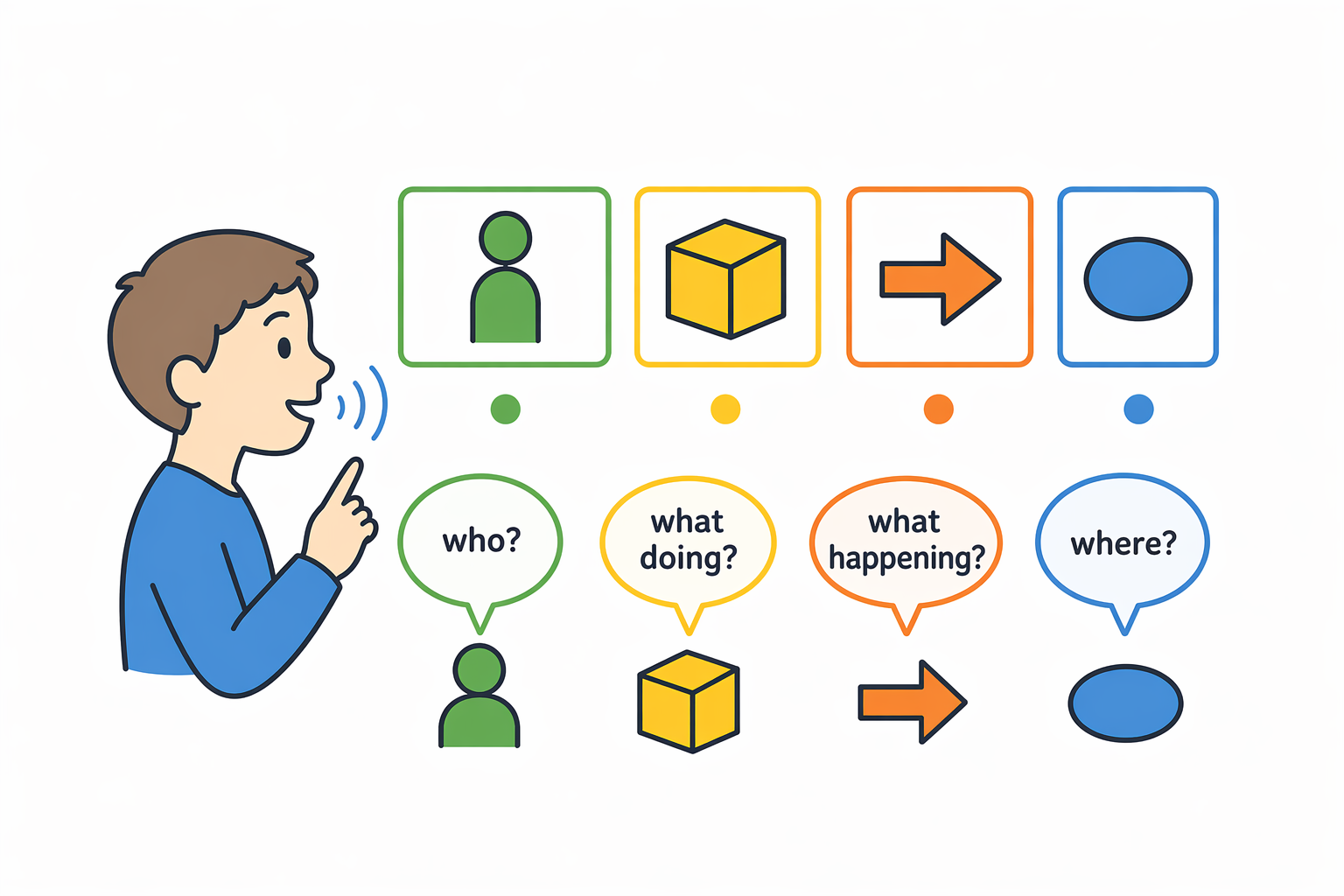
Colourful Semantics
Colourful Semantics is a structured, visual approach used to support children in understanding and building sentences. Different colours are used to represent key parts of a sentence such as who, doing, what, and where, helping language become easier to organise and understand.
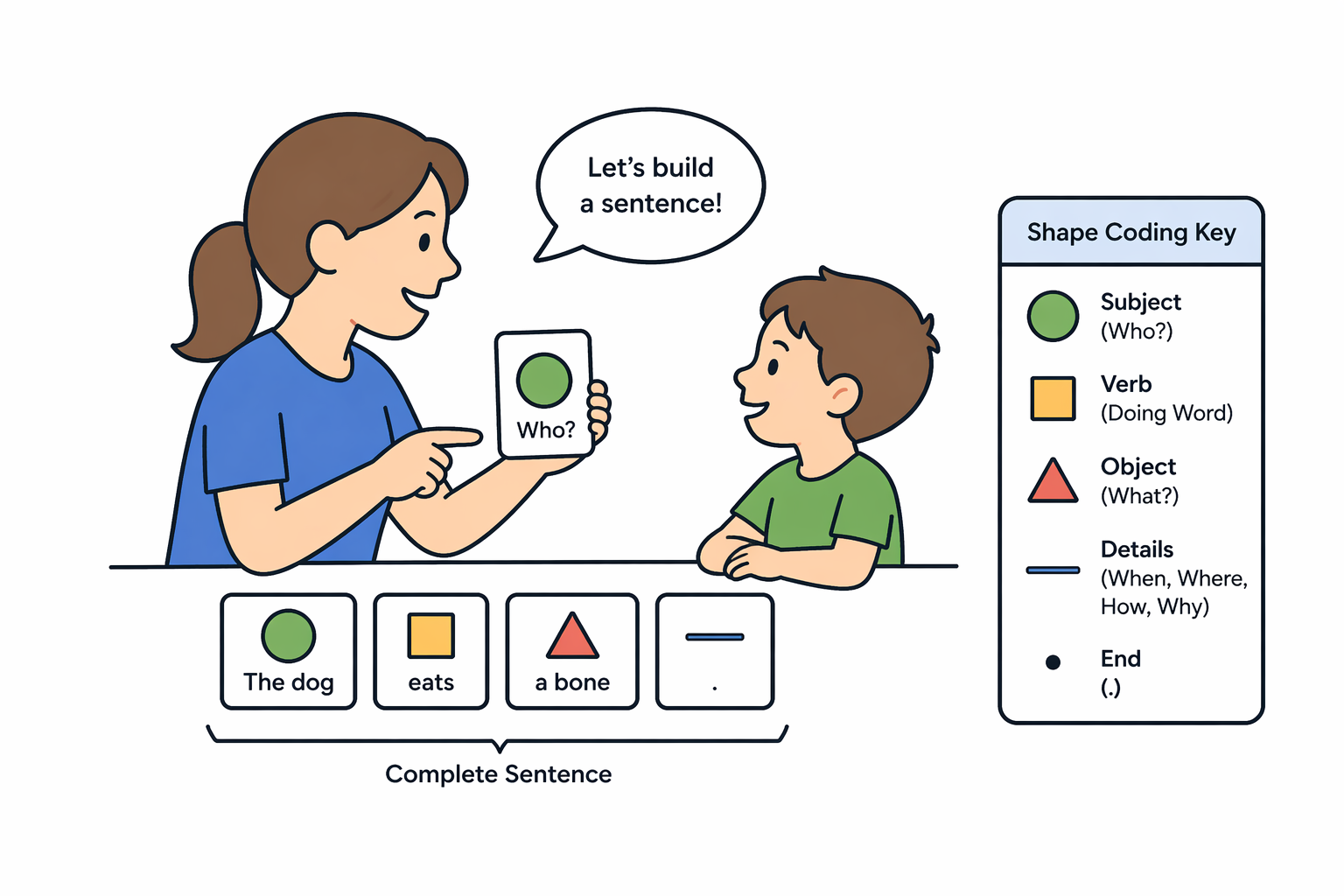
Shape Coding
Shape Coding is a visual method used to help children understand grammar and sentence structure. It uses colours, shapes, and lines to represent different parts of language, making grammar easier to see, understand, and use.
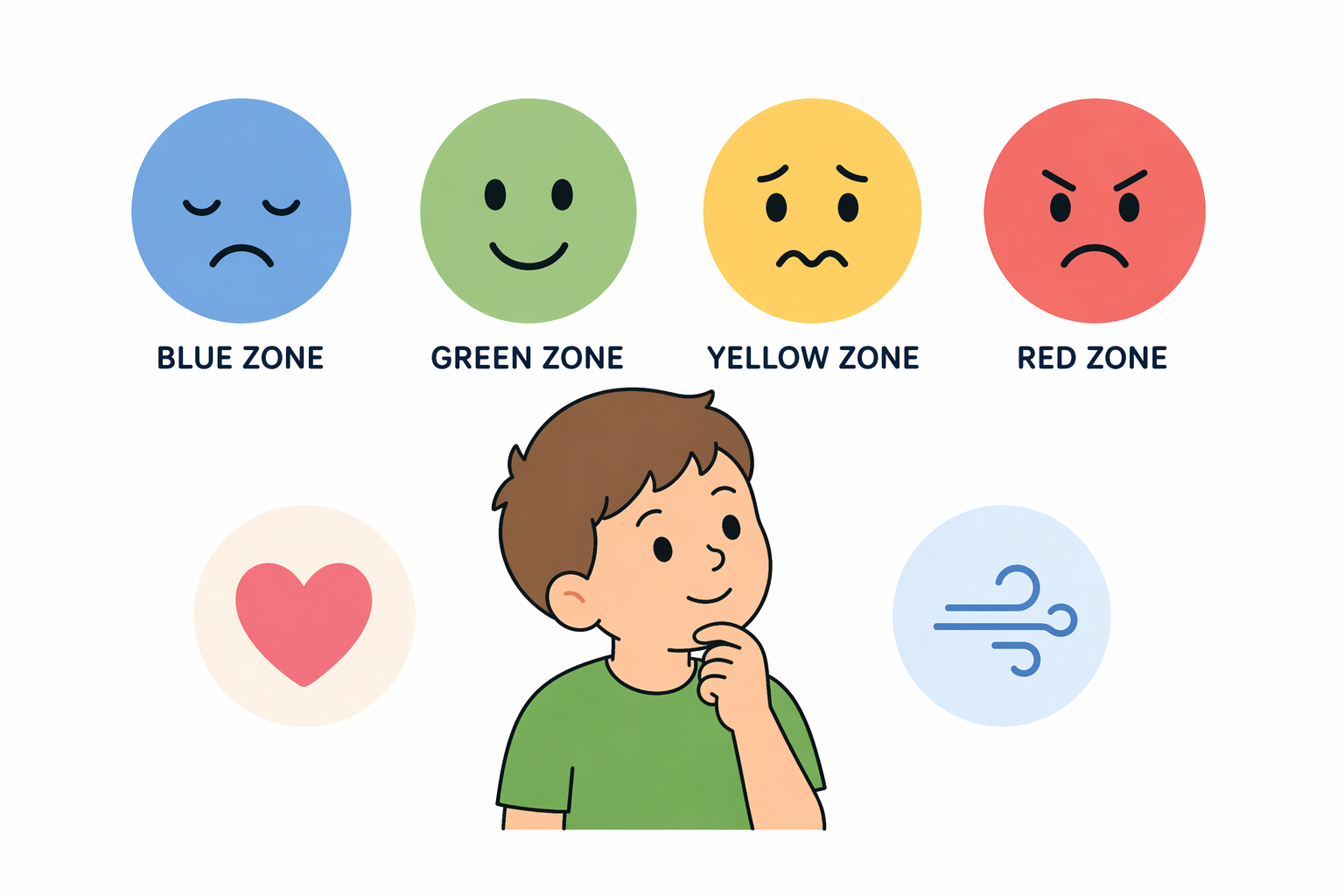
Emotional Regulation
Emotional Regulation support helps children recognise their feelings, understand how emotions affect behaviour, and learn strategies to manage them in a positive way. We often use the Zones of Regulation framework, which uses colours to help children identify their level of alertness and emotions.
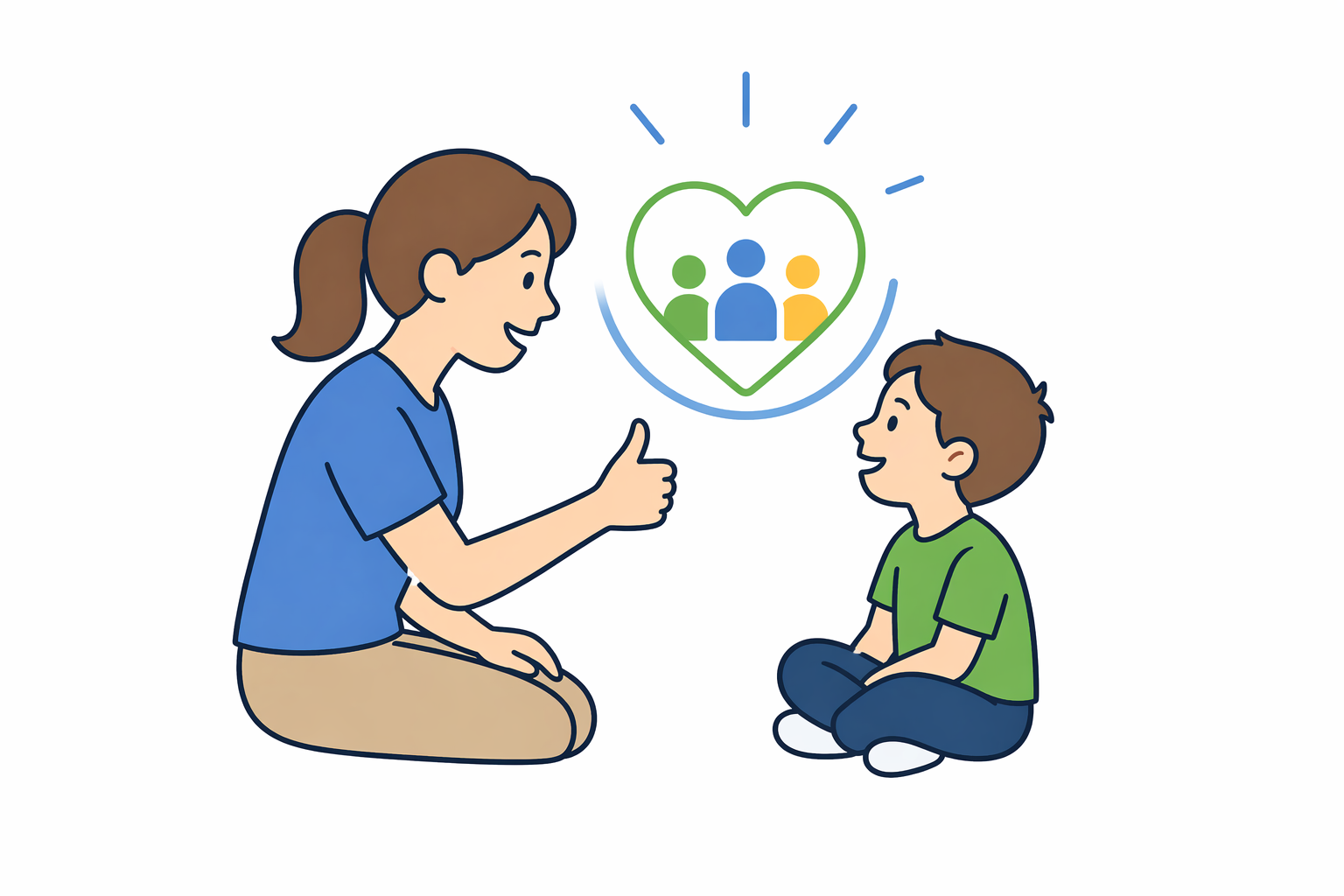
Positive Behaviour Support
Positive Behaviour Support (PBS) is a person-centred approach that focuses on improving quality of life and understanding the reasons behind behaviour. It combines practical strategies, skill-building, and supportive environments to help children succeed.
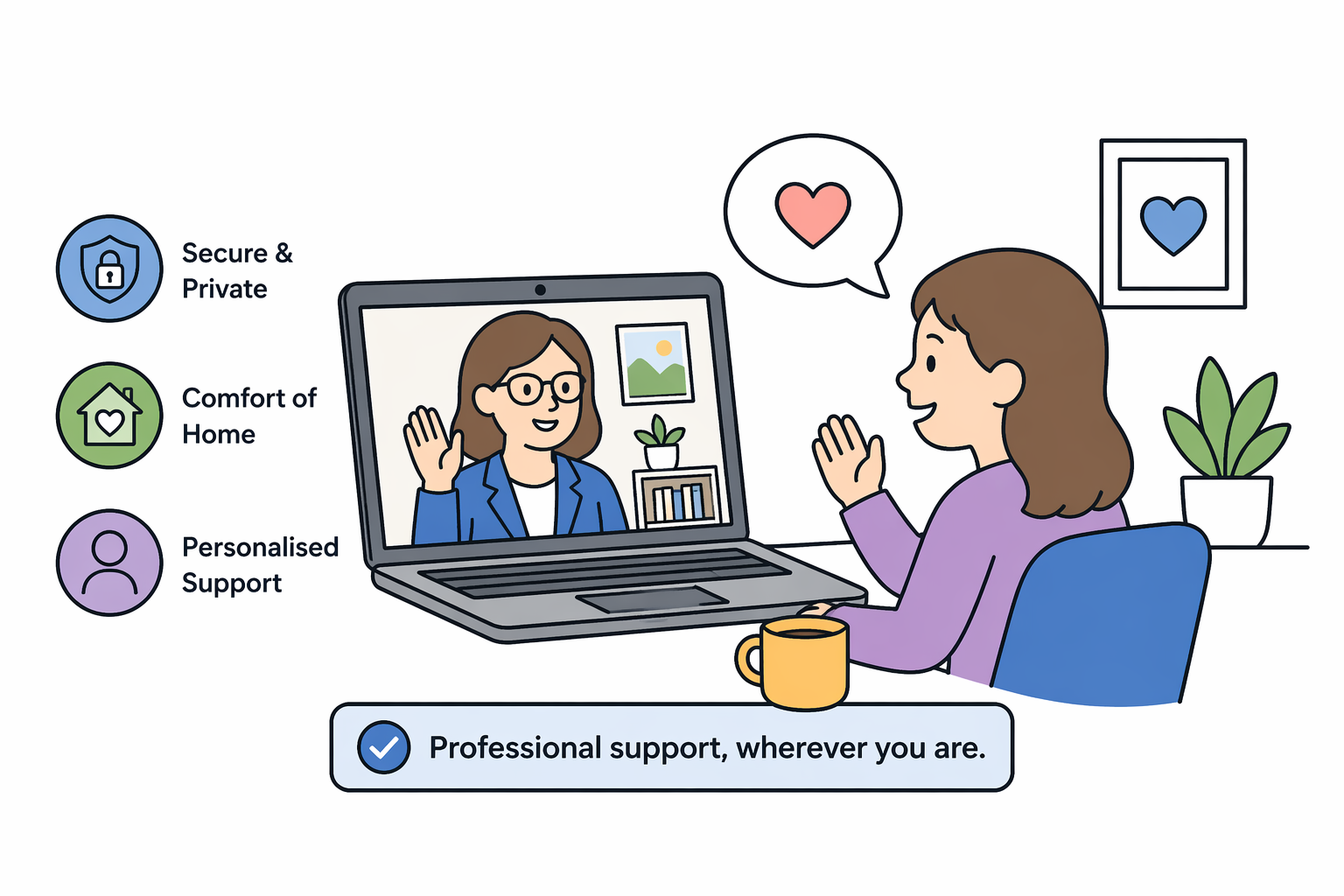
Teletherapy
Teletherapy provides professional therapy sessions online, allowing children, adults, and families to access high-quality support from the comfort of their own home. Sessions are interactive, personalised, and designed to be engaging and effective through secure online platforms.
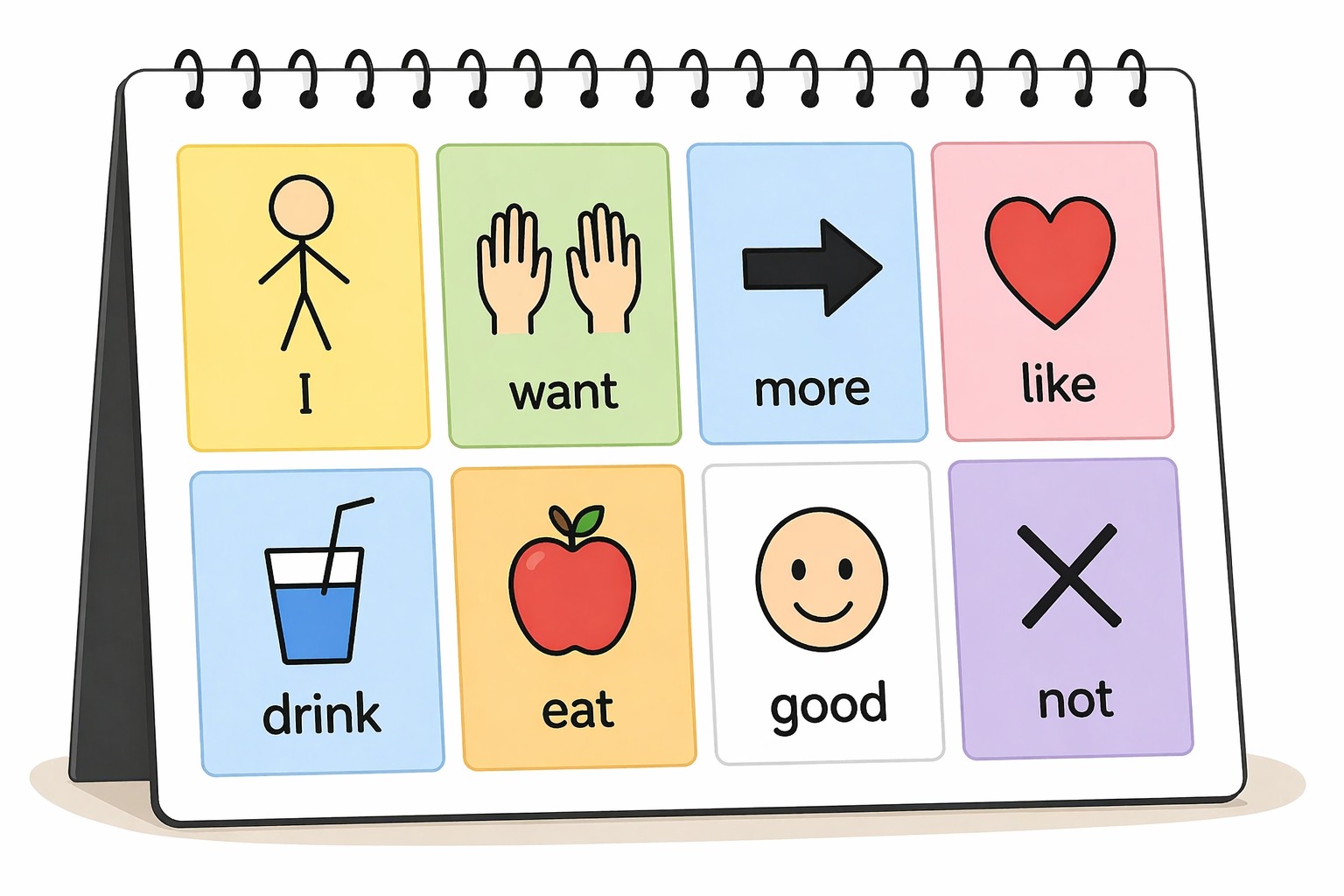
LAMP Words for Life Manual Boards
LAMP Words for Life Manual Boards are low-tech communication boards based on the LAMP approach and the Words for Life vocabulary system. They provide children with consistent access to key words and motor patterns without needing an electronic device.
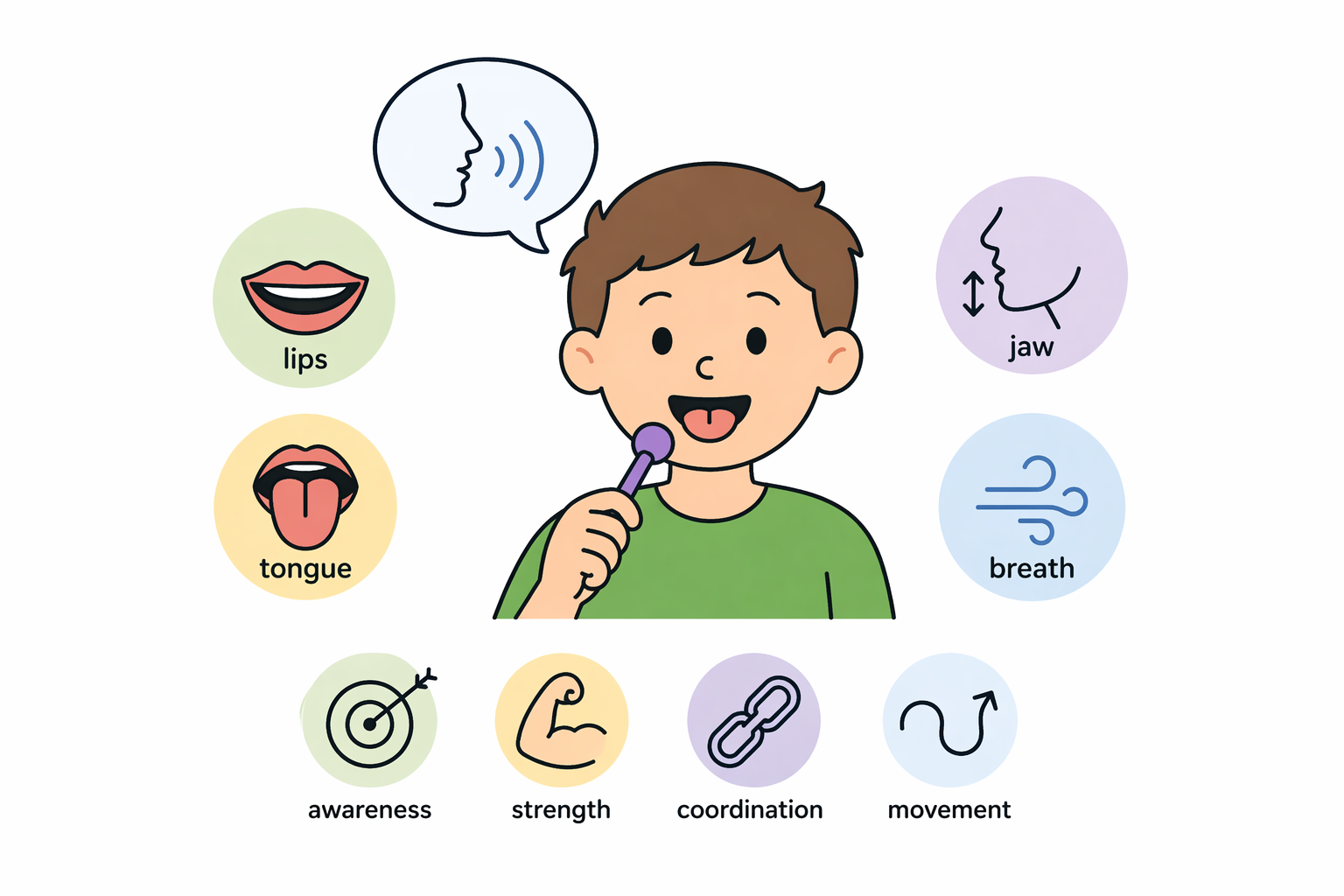
TalkTools / OPT
TalkTools and Oral Placement Therapy (OPT) are pproaches used to support speech clarity, feeding skills, and oral motor development. They focus on building awareness, strength, coordination, and movement of the jaw, lips, tongue, and breath support needed for speech and eating.
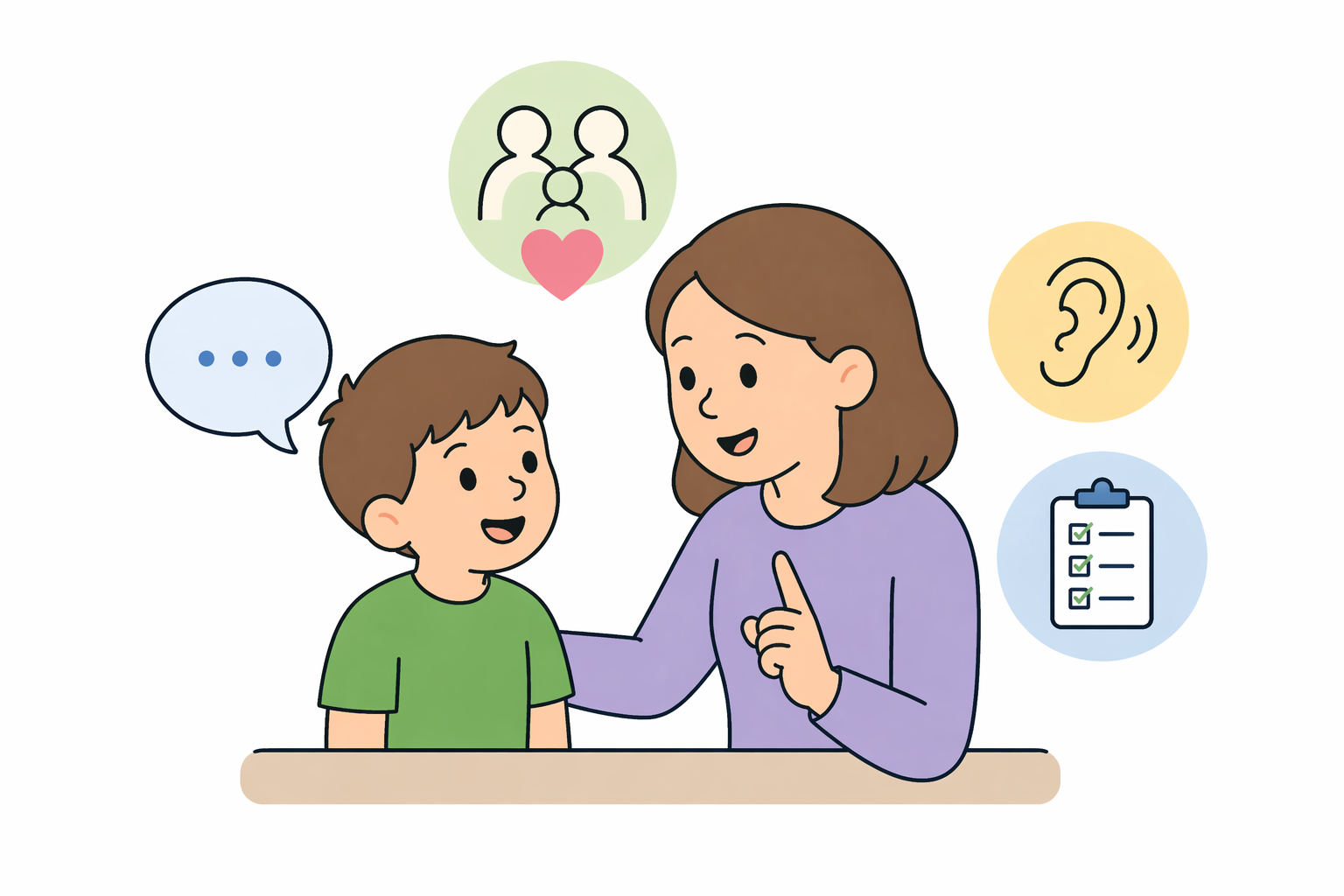
Lidcombe Programme
The Lidcombe Program is an evidence-based approach used to support young children who stammer or stutter. It involves working closely with parents so strategies can be used naturally during everyday conversations at home.
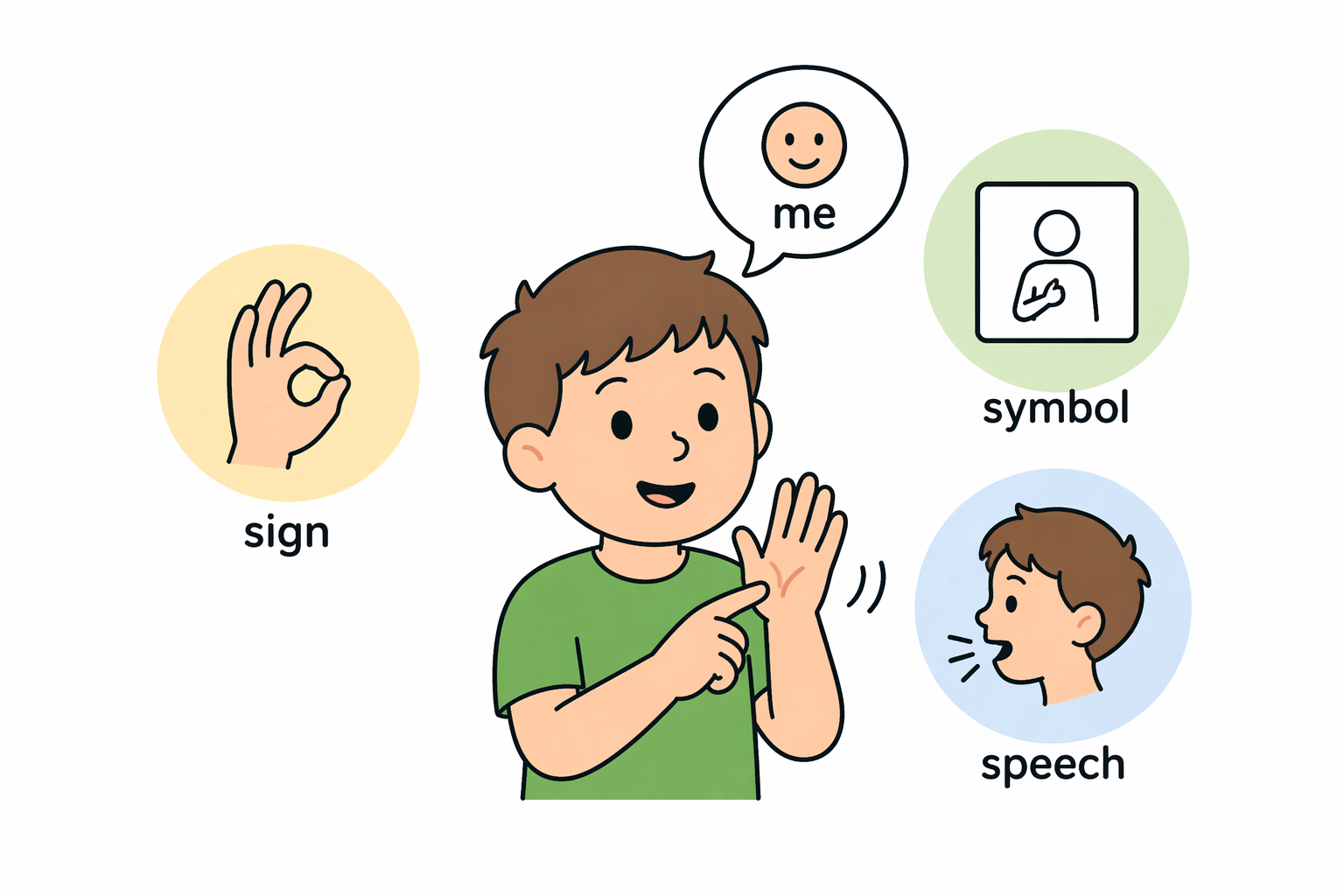
Makaton
Makaton is a communication programme that uses signs, symbols, and speech to help children understand language and express themselves more effectively. It supports communication by giving children visual and physical ways to reinforce spoken words.
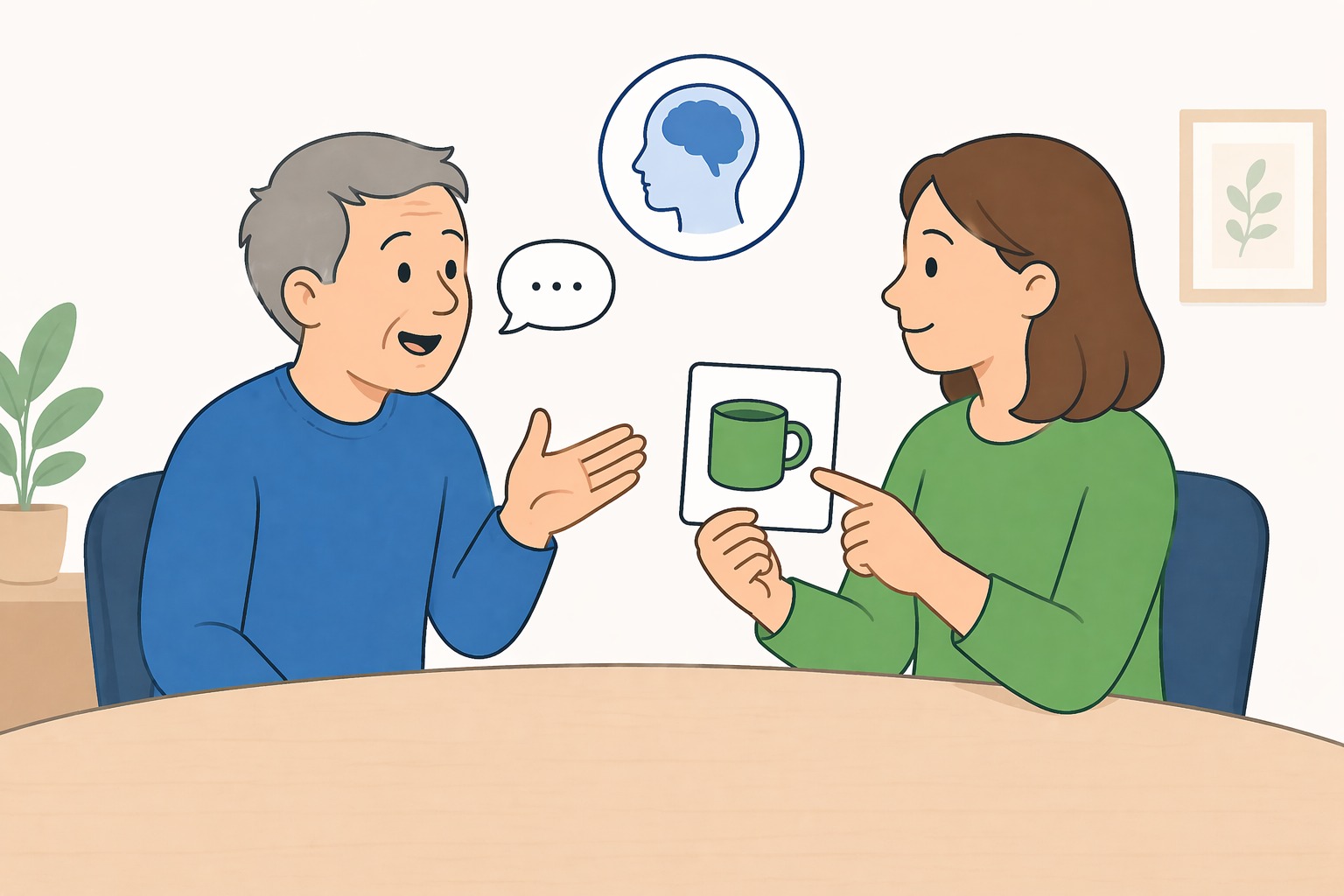
Aphasia Therapy
Aphasia Therapy supports adults who have experienced communication difficulties following stroke, brain injury, or neurological conditions. Aphasia can affect speaking, understanding, reading, and writing, and therapy focuses on rebuilding confidence and functional communication skills.
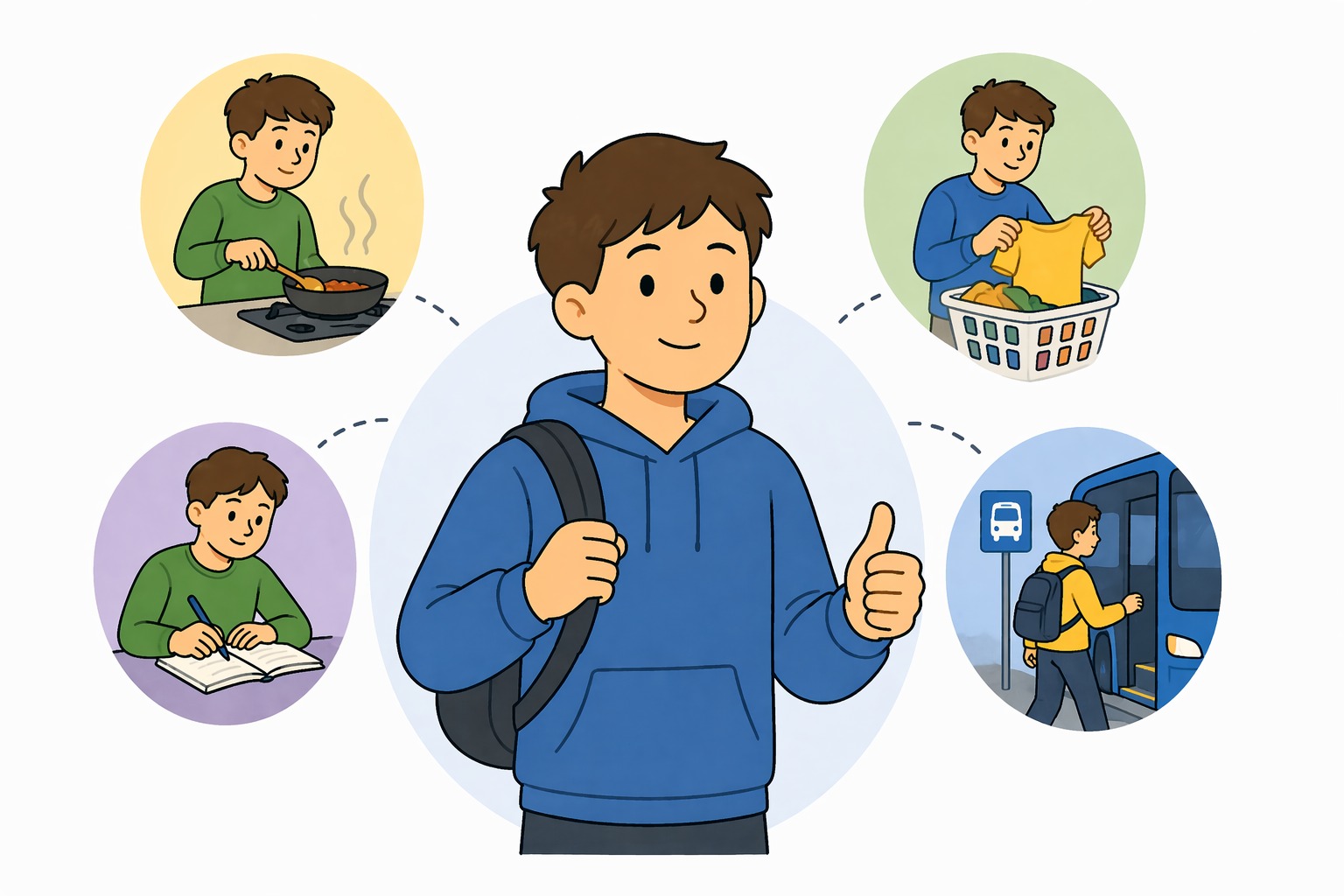
Life Skills & Independence
Life Skills & Independence support helps children and young people develop the practical skills needed for greater confidence and independence in everyday life. Sessions are personalised, structured, and focused on meaningful progress at home, school, and in the community.
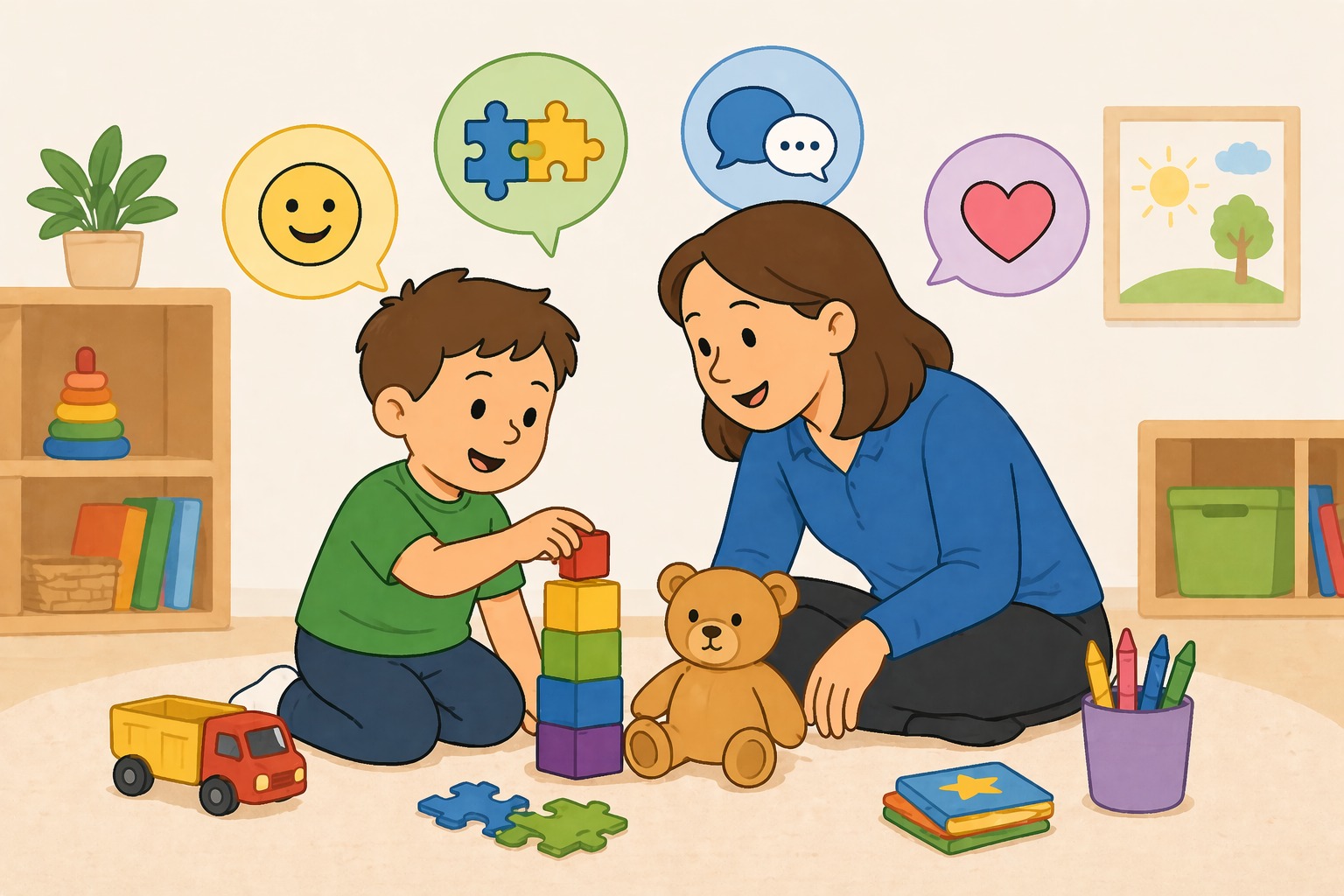
Play-Based Therapy
Play-Based Therapy uses play as a natural and motivating way to support children’s learning, communication, emotional development, and social skills. Through carefully planned activities, children can build important skills in a way that feels enjoyable, meaningful, and engaging.
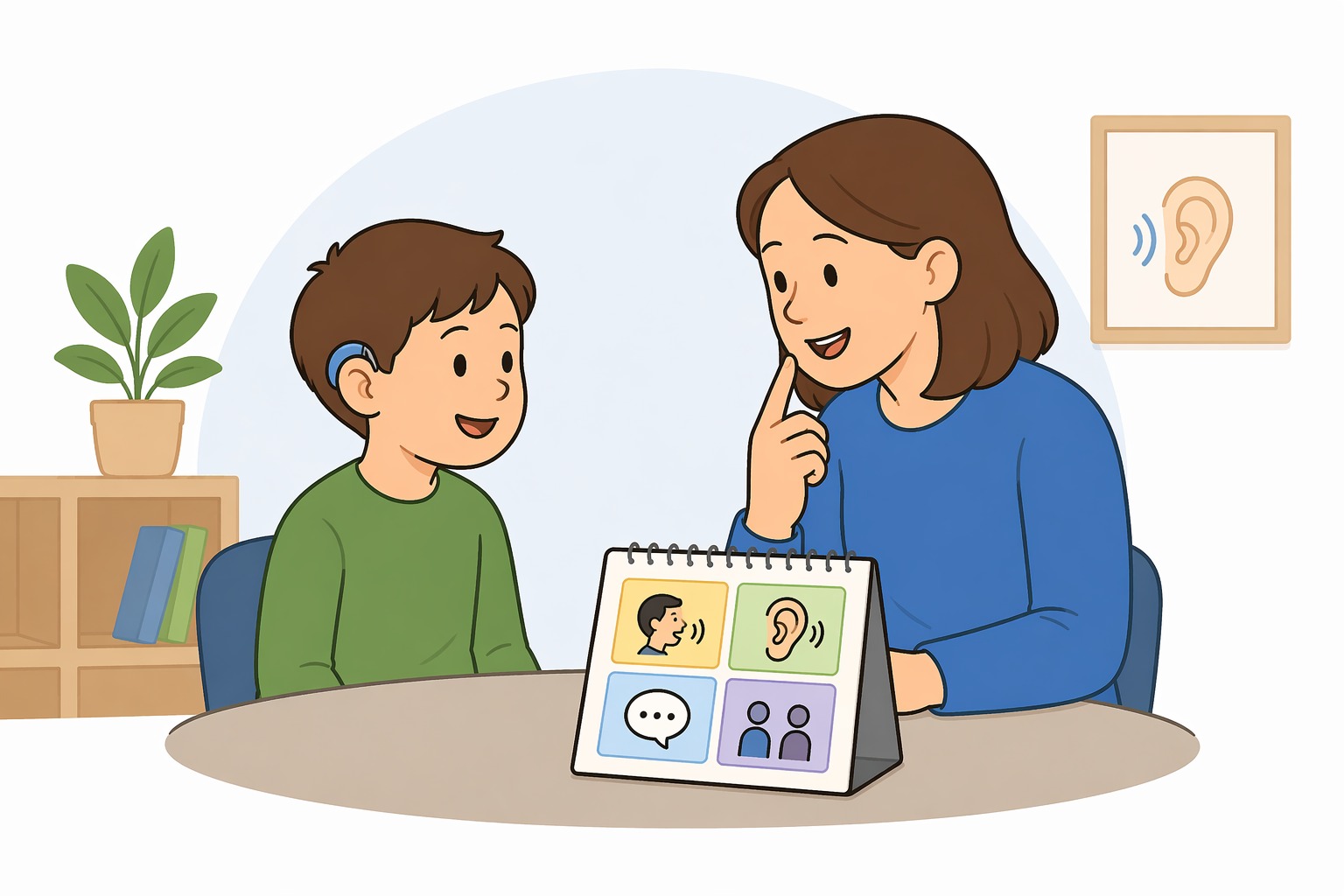
Hearing Impairment Support
Hearing Impairment Support helps children and young people develop communication, language, listening, and confidence skills when hearing differences impact everyday learning and interaction. Support is personalised to each individual’s needs, strengths, and preferred communication methods.
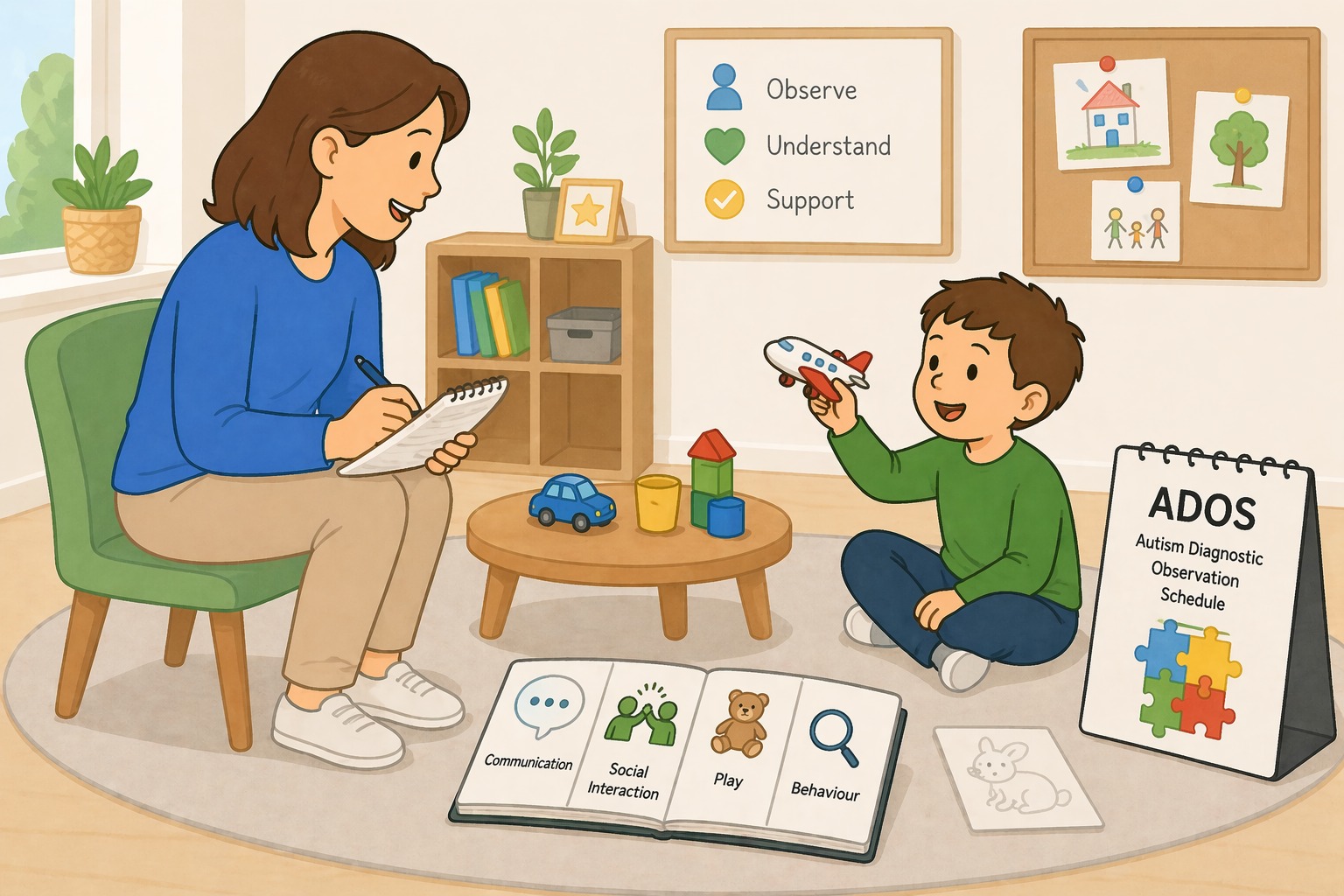
ADOS Assessment
ADOS (Autism Diagnostic Observation Schedule) is a structured, evidence-based assessment used to support the identification of autism. It involves interactive activities designed to observe communication, social interaction, play, and behaviour in a supportive and natural way.
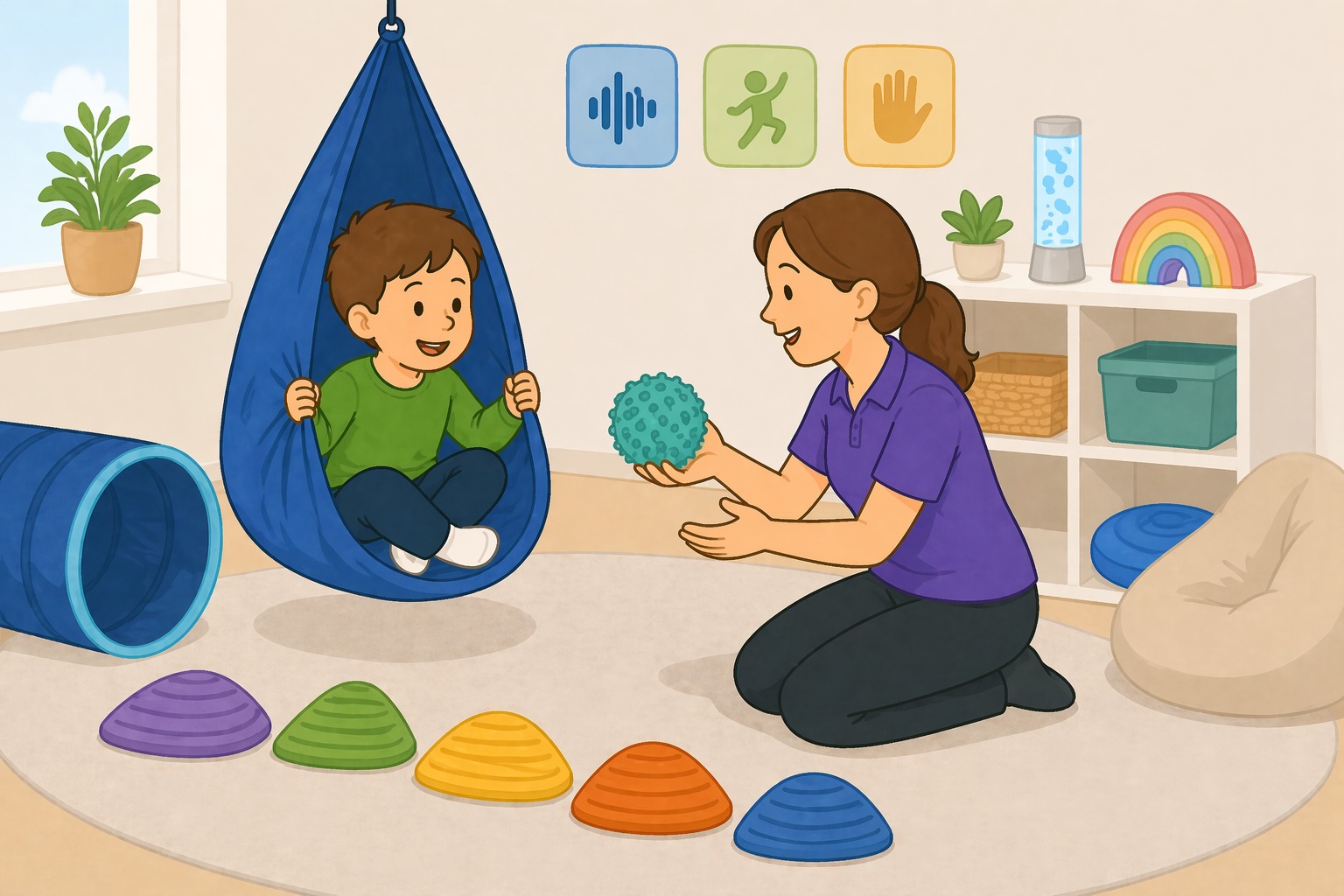
Sensory Integration
Sensory Integration support helps children understand, process, and respond to sensory information more effectively. Some children may feel overwhelmed by sounds, movement, touch, textures, or busy environments, while others may seek extra sensory input.
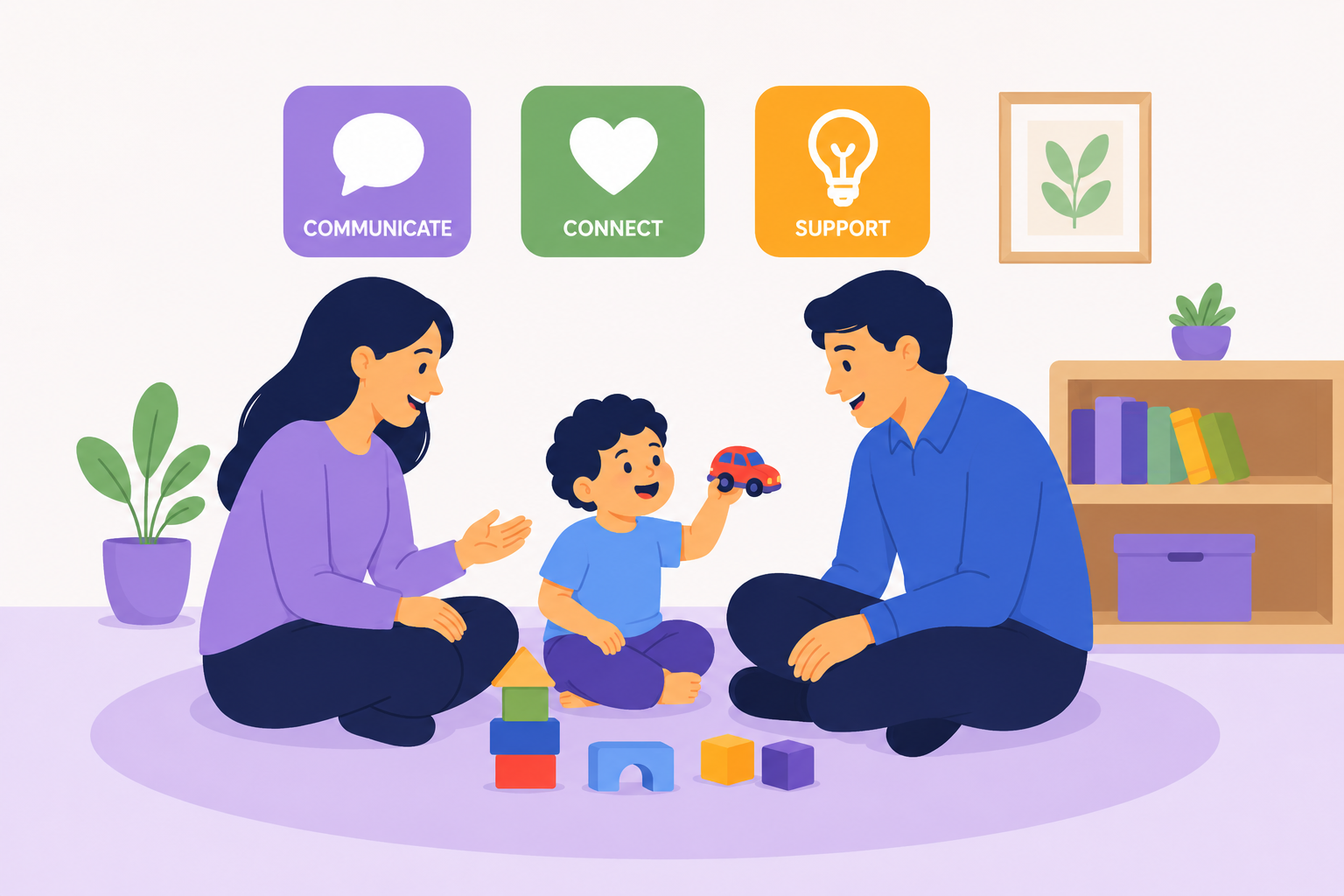
Hanen Approach
The Hanen Approach is a family-centred, evidence-based intervention designed to support children’s communication, language, and social interaction skills through everyday interactions and play. The approach empowers parents, caregivers, and professionals with practical strategies to help children develop communication naturally within daily routines.
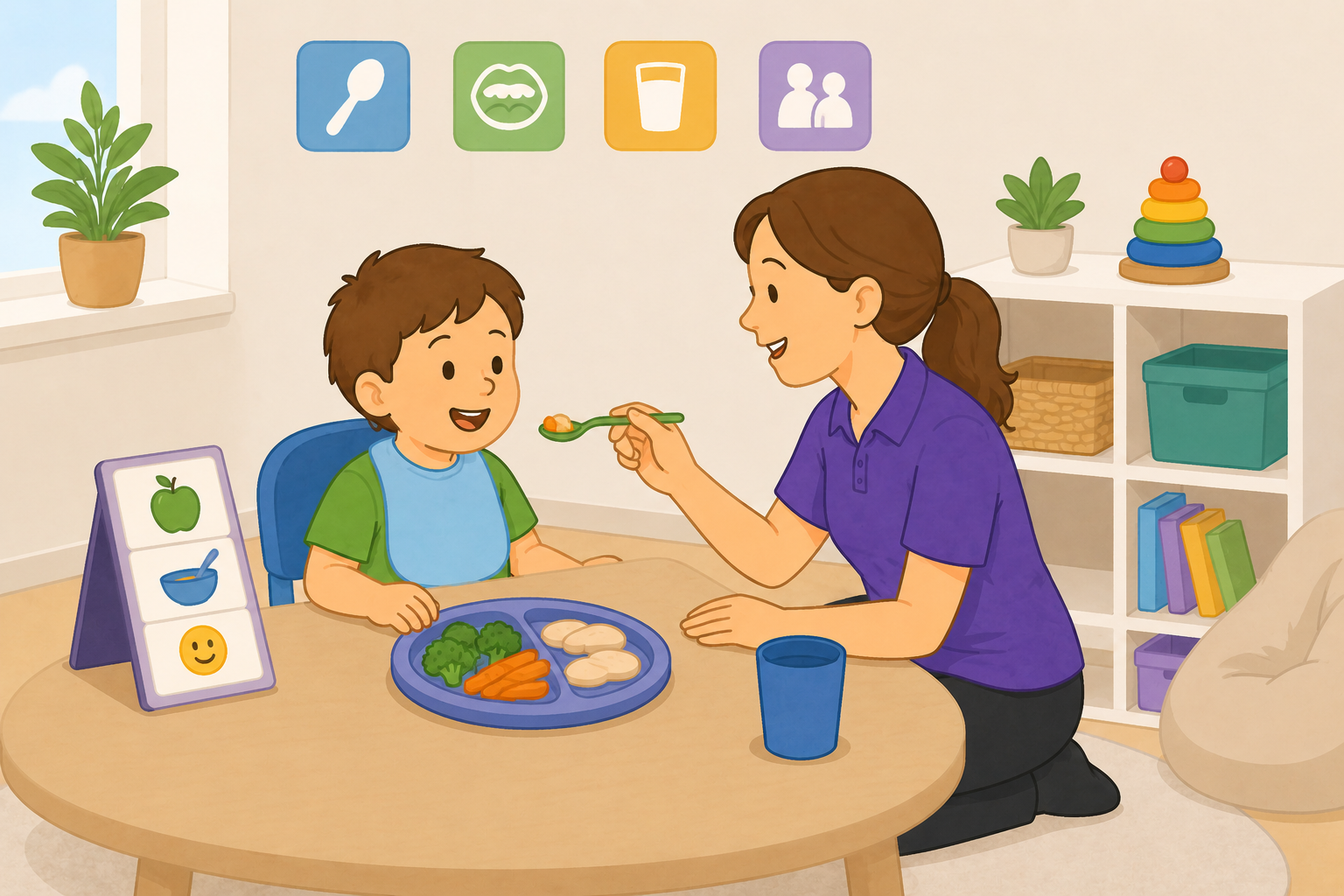
Feeding Therapy
Feeding Therapy supports children and young people who experience difficulties with eating, drinking, chewing, swallowing, food variety, mealtime participation, or oral motor skills. Feeding challenges can affect nutrition, confidence, family routines, emotional wellbeing, and social participation.
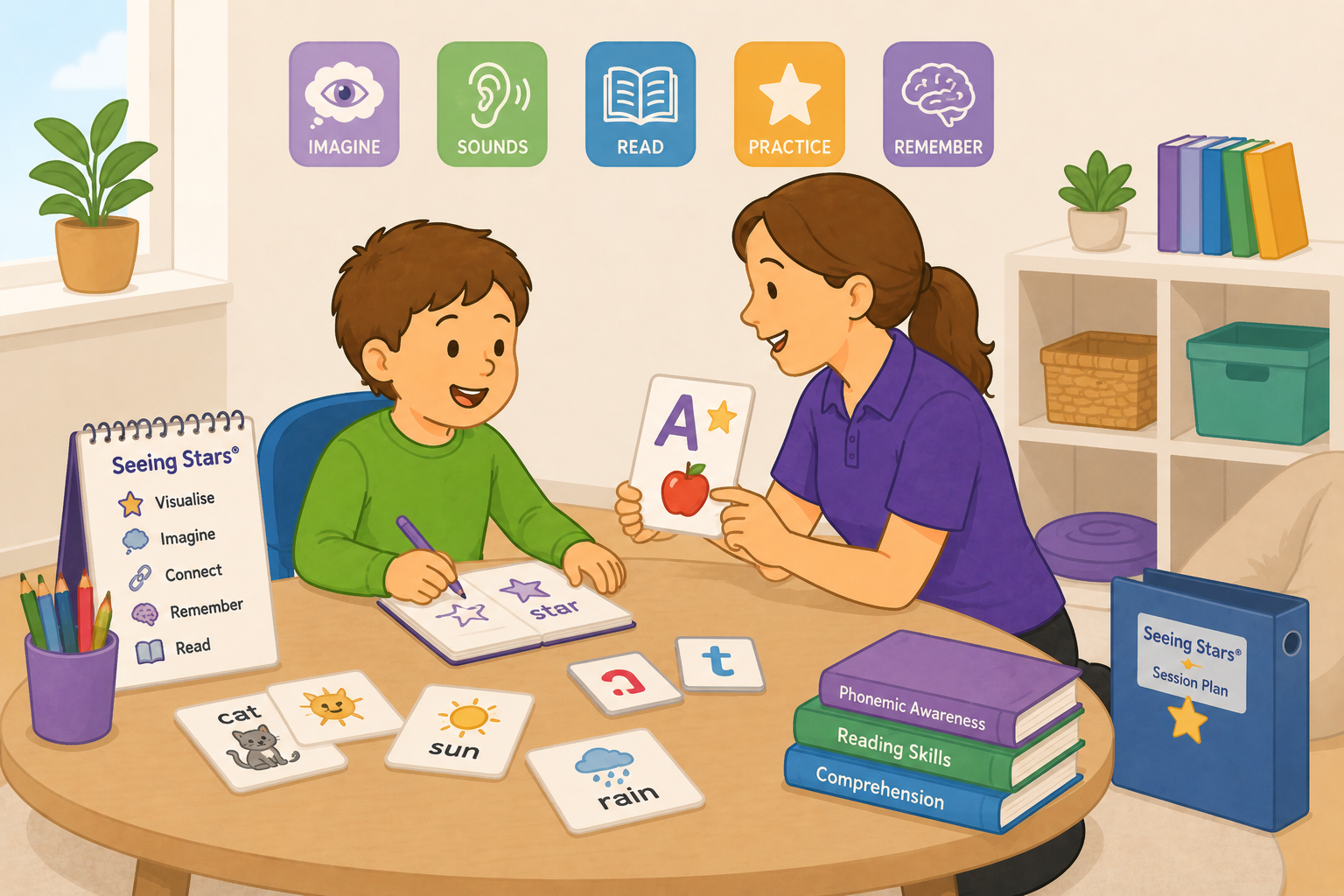
Seeing Stars® Programme
Seeing Stars® is an evidence-based literacy programme developed to support individuals who experience difficulties with reading, spelling, comprehension, and symbol imagery. The programme focuses on helping individuals create mental imagery for letters, sounds, words, and language in order to strengthen reading and literacy development.
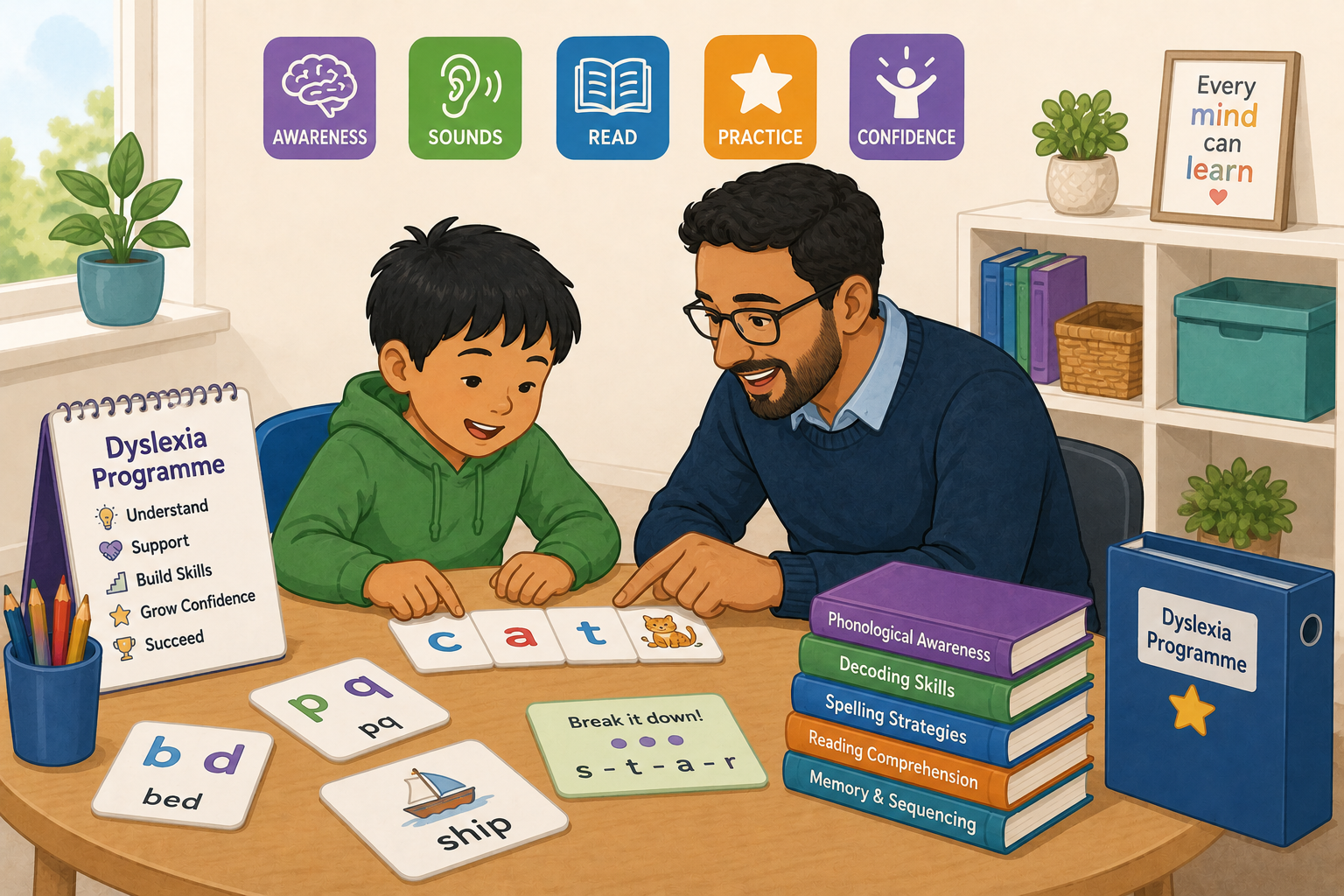
Dyslexia Therapy
Dyslexia is a learning difference that primarily affects reading, spelling, writing, and processing language-based information. Children and adults with dyslexia are often bright, creative, and capable learners, but they may find it difficult to recognise sounds within words, decode unfamiliar words, remember letter patterns, or read fluently.